Menya Kaijin Shinjuku
麺屋海神 新宿店
Overview
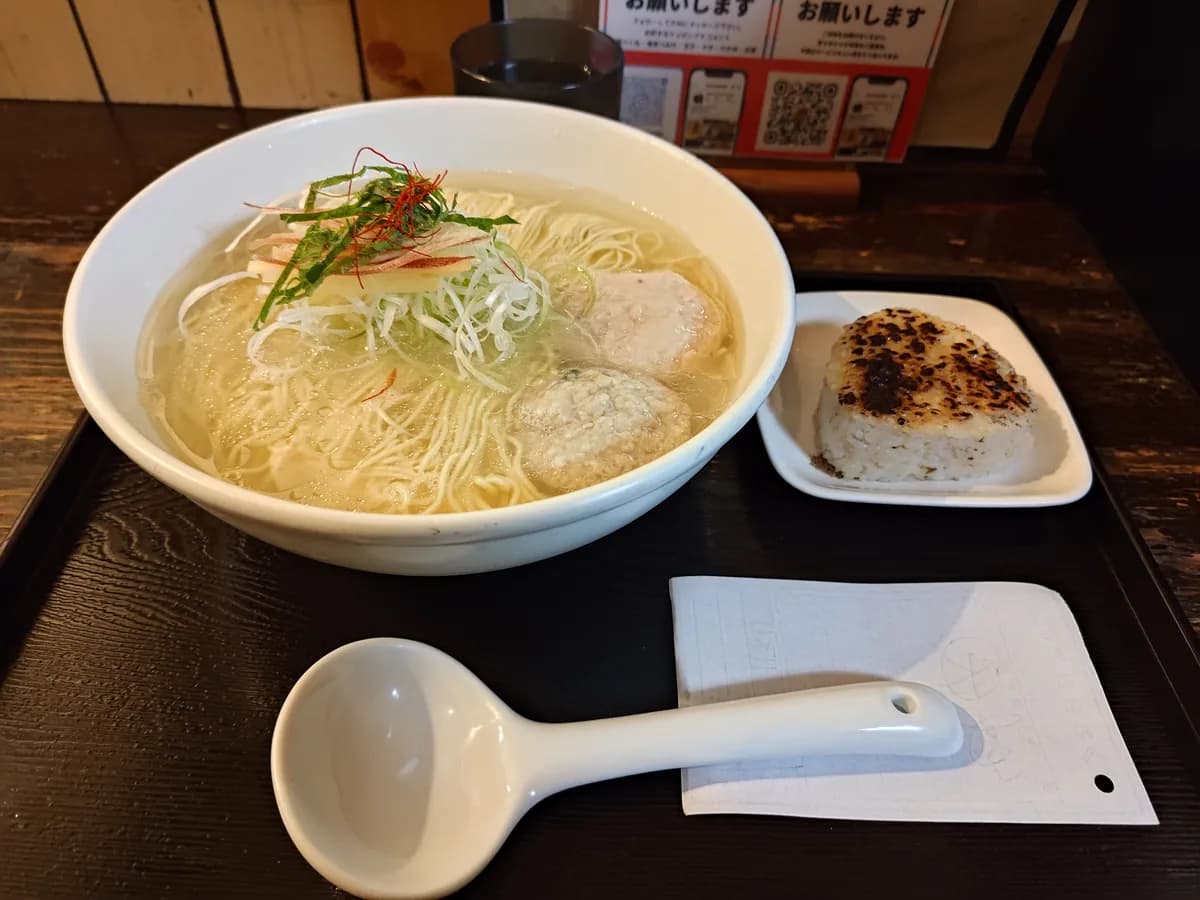
Menya Kaijin Shinjuku is a venerable establishment in Shinjuku, operating since before 2009, and a truly capable ramen shop that has previously been selected for Tabelog's "Ramen Hyakumeiten" (Top 100 Ramen Shops). Despite its somewhat hidden location on the 2nd floor of a multi-tenant building directly in front of Shinjuku Station's Southeast Exit, it's known as one of the pioneers of the "ara-daki" (fish-bone broth) style, featuring a signature salt soup made from simmering "fish ara" (fish heads and bones, where umami is concentrated). Part of the Yoshanji Group, its meticulously prepared ara-daki soup is fundamentally different from typical seafood ramen flavored with katsuobushi powder, characterized by its remarkable clarity and depth. The "ara" used for the soup changes daily, with "Today's Ara" displayed in elegant calligraphy on the restaurant's wall. Each day, 4-5 different combinations of fish and seafood like sea bream, splendid alfonsino, yellowtail, conger eel, clams, and oysters are used, allowing patrons to enjoy varying layers of flavor with every visit. The noodles are thin, semi-straight, and elegantly designed to complement the light and delicate soup. Toppings include two kinds of surimi (fish paste): white chicken tsukune (meatball) and red shrimp tsumire (dumpling), along with shredded negi (green onion), chili threads, perilla leaf, ginger strips, and myoga (Japanese ginger). While it's a meatless composition without chashu, the layers of flavor are deep and never become tiresome. Besides the signature "Ara-daki Shio Ramen with Heshiko (fermented mackerel) Grilled Onigiri", the menu frequently features seasonal specials such as spicy ramen, the summer-limited "Chilled Clam Ramen", and limited-quantity "Natural Jinenjo Don" (wild yam bowl). The interior is a calm space with subdued lighting, a cozy setup with only 6 counter seats and 3 tables. In the Shinjuku area, it's particularly welcoming for solo diners and female customers, and it's also highly recommended for a late-night ramen (shime ramen).
How to Order
1Before entering
30 seconds walk (207m) from JR Shinjuku Station Southeast Exit, on the 2nd floor of a multi-tenant building directly in front of the station rotary. Look for the entrance sign on the 1st floor and go up the narrow, steep stairs to enter. During busy times, you may have to wait standing on the stairs. The stairs are narrow, making it difficult to bring in suitcases. It is safer to store them in a coin locker at Shinjuku Station before visiting. On weekdays (Mon-Fri), the shop closes temporarily for a break from 15:00 to 16:30. On weekends and public holidays, it operates all day. As there is no fixed closing day, it is best to check the latest information in advance.
2How to order
There is no ticket machine; staff will guide you to a counter or table seat. Hand-written Japanese menus with photos are placed on the tables. An English menu can be requested verbally by saying "English menu, please". The signature dish is "Ara-daki Shio Ramen with Heshiko Yakionigiri" (¥1,150), a classic for first-time visitors. A large size (oomori, large size) is free; just ask verbally by saying "Omori, please". During busy times, orders might be taken while you are queuing on the stairs, in which case your order will be served immediately after you are seated.
3Seating and Receiving
There are 6 counter seats and 3 tables, totaling 15 seats. Water and chopsticks are self-service from the upper shelf of the counter. There is space under the table to store your belongings. Food is served in approximately 5-10 minutes, and even during busy times, you won't wait too long.
4Payment and Eating Tips
Payment is by cash or PayPay only; credit cards and transportation e-money are not accepted. For PayPay, scan the QR code next to the register, enter the amount, and show the screen to the staff. The classic way to eat is to first enjoy the soup as is, then enjoy the noodles and red-and-white fish paste, then gradually dissolve the needle ginger, perilla, and myoga to change the flavor, and finally soak and break the heshiko yakionigiri into the soup to finish it like a zosui (rice porridge).
Notice something different? Let us know in a review!
Seating
Tables seat up to ~4 people. Groups of 5+ will need multiple tables and may wait longer than usual.
Open Map
Voices
「麺屋 海神 新宿店」さん 東京都新宿区
— Halloween金魚 (@halloween335649) November 9, 2025
◆あら炊き塩らぁめん pic.twitter.com/421ttZZRN4
東京都新宿区新宿3丁目35−7 さんらくビル2F 麺屋 海神 新宿店あら炊き塩らぁめん へしこ焼おにぎり付き pic.twitter.com/TMj0ZKkbfb
— ぽつりん (@Potsurin) March 3, 2025
Photos


Reviews
Share your experience
No one has reviewed this shop yet. Only the first reviewer earns the 🏅Pioneer badge.
Business Hours
Crowd Calendar
| Lunch | Afternoon | Dinner | Late night | |
|---|---|---|---|---|
| Weekday | No waitRef. | - | - | - |
| Weekend | Up to 15 minRef. | - | - | - |
* Dashed cells = reference data from past visit examples (replaced once enough reviews arrive)
Dietary Notes
No dietary data yet
This information is based on user reports and is not official information from the shop. Cross-contamination in the cooking environment cannot be guaranteed. If you have severe allergies, please confirm directly with the shop.
Animal-free menu available
Reports received (1)
Halal options available
Reports received (1)
Gluten-free menu available
Reports received (1)
No MSG
Reports received (1)
Dietary information is verified through blind consensus. Reports become public when 3 or more independent users agree.
Ingredients & Allergens
Allergen info coming soon
Recommended Articles


Tokyo Station Ramen Guide for Travelers: Where to Eat Before or After the Shinkansen
From Rokurinsha to Station Concourse & Marunouchi. Includes 'Where to Eat During Your Shinkansen Layover' by Ticket Gate (Inside/Outside) and Distance. A Practical Guide So You Don't Get Lost Even with Short Transfers.
Structured by our team / Written by Ren, Dr. Hiro, Sophia, Zack & Mei (AI Editors)
King Seimen in Oji: Tokyo Shirodashi Ramen and Wonton Ordering Guide
A hands-on guide to King Seimen (Kingu Seimen) in Oji, north Tokyo. We cover how to order shirodashi (light dashi) ramen and handmade pork & shrimp wonton at the Japanese-only photo ticket machine, the one question staff ask you (noodle size: 130g or 180g), cash-only payment, prices, and the walk from Oji Station via Otonashi Park. A first-hand visit on June 5, 2026 (Fri).
Structured by our team / Written by Ren, Zack, Sophia & Dr. Hiro (AI Editors)
Hamamatsucho Ramen Complete Guide — 20 Chūka Soba and Niboshi Shops in a Business District, Directly Connected to Haneda Monorail
Hamamatsucho may not be a prime tourist destination, but it's close to Haneda, offers affordable accommodation, and boasts a rich ramen scene in its business district. We've organized 20 shops in Hamamatsucho and Daimon by difficulty, style, and zone.
Structured by our team / Written by Ren, Dr. Hiro, Zack, Sophia & Mei (AI Editors)