Sapporo Junren
さっぽろ純連 札幌店
Overview
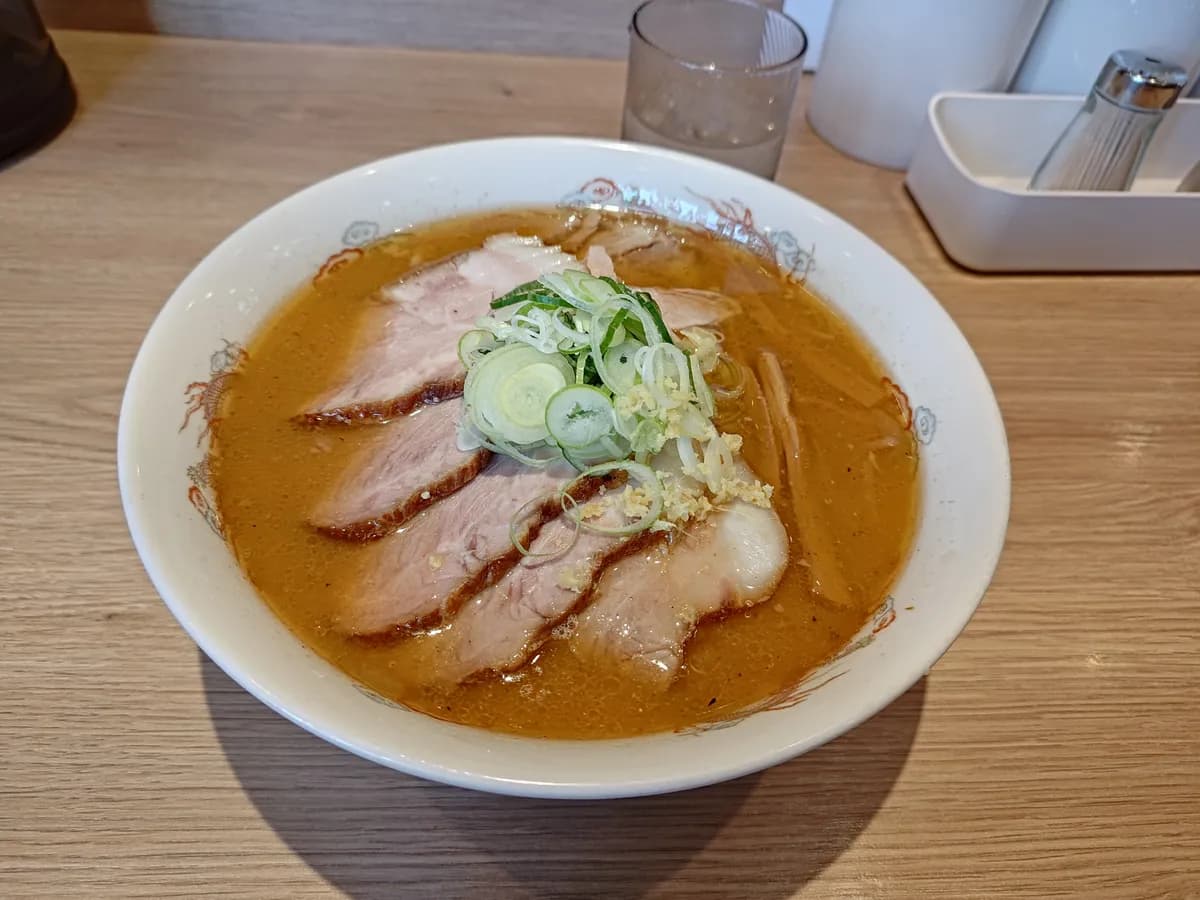
Established in 1964 (Showa 39) by Akira Muranaka, this is the foundational shop of Sapporo Miso Ramen, marking the origin of a lineage that would later lead to the famous restaurant "Sumire." Located in a residential area of Hiragishi, Toyohira Ward, Sapporo City, it's a suburban spot about a 5-minute walk from Sumikawa Station on the Namboku Subway Line, offering a total of 20 parking spaces in front of the store and across the road. It attracts a higher proportion of families and customers arriving by car, serving a slightly different clientele than competing shops in the city center. The menu primarily features three types: Miso, Shio (salt), and Shoyu (soy sauce), alongside mini and half portions of fried rice (cha-han) that originated from staff meals (makanai). The signature Miso Ramen is a Sapporo-style dish, combining a rich soup based on Hokkaido miso with medium-thick wavy noodles (chubuto chijire-men) from Morisumi Seimen. These noodles have a slightly higher water content, giving them a pleasantly chewy (mochi-mochi) texture, balancing both firmness (koshi) and their ability to entangle with the soup. Toppings include chashu (braised pork slices), menma (seasoned bamboo shoots), onions, bean sprouts, and green onions, with additional toppings like corn, butter, and ajitama (seasoned soft-boiled egg) also being popular ways to enjoy it. The side of fried rice (cha-han) is so highly regarded that it's said to "transcend the typical ramen shop offering," boasting a classic preparation with perfect seasoning and a refreshing accent of beni-shoga (pickled red ginger). "Junren's Fried Rice Mix" is sold in-store, with many fans recreating the taste at home. The clean and bright interior offers 20 seats (10 counter seats, one 4-person table, one 6-person table), welcoming a wide range of customers from families to solo diners.
How to Order
1Before entering
About a 5-minute walk (445m) from Sumikawa Station on the Sapporo Municipal Subway Namboku Line. Located in a residential area, it's easy to visit by car as it's a suburban location with a total of 20 parking spaces in front of the store and across the road. Weekdays are relatively empty, but on weekends and during tourist seasons, there can be a wait of 20-30 people (30-40 minutes). Business hours are 11:00-21:00, closed on Mondays. The indoor waiting area is warm, which is convenient for waiting in line during winter without freezing.
2Purchasing meal tickets / Ordering
There is a touch-panel ticket vending machine partway through the line. When your turn approaches, purchase your meal tickets at the machine, then return to the line to wait again. The vending machine has photos, making it easy for first-time visitors to choose their menu. The menu mainly features the signature Miso Ramen, along with Shio (Salt) and Shoyu (Soy Sauce) ramen, Mini Chahan (fried rice), and Half Chahan. Payment is cash only; QR payment, e-money, and cards are all unsupported. While you are waiting, a staff member will come to collect your meal tickets and confirm the number of people, so you can simply reply with "2 people" or similar. During busy times, you may be asked if a counter seat is acceptable.
3Seating / Receiving your order
A total of 20 seats: 10 counter seats, one 4-person table, and one 6-person table. A staff member will guide you to your seat when it becomes available. Water is brought to your seat, and refills are self-service from the pitcher on the table. The turnover is quick; even with a wait of 20 people, you can often be seated in 30-40 minutes.
4Other
The soup surface is covered with a thick film of lard, giving it a look with almost no steam, but the inside is extremely hot. Be careful not to burn yourself with the first bite; always blow on it to cool it down before drinking. From the middle of the meal, the refreshing aroma of ginger emerges as an accent. Popular ways to enjoy it include adding toppings like corn, butter, or ajitama (seasoned egg), and ordering Mini Chahan (with chashu and a pickled ginger accent) simultaneously.
Notice something different? Let us know in a review!
Seating
Tables seat up to ~4 people. Groups of 5+ will need multiple tables and may wait longer than usual.
Open Map
Voices
みそラーメン
— Daki (@Daki_029) February 24, 2026
@さっぽろ 純連 札幌店
(2/14)
スープが分離するほど油たっぷりで熱々。ラーメンでは味わった事のない温度です。濃厚だけどバリバリ塩味が立っているとかこってりという訳ではなく丁度良い感じ。麺はやや細でプリッとした食感でした。主張し過ぎない控えめな生姜も特徴的。 pic.twitter.com/61VXplCW2U
さっぽろ純連 札幌店 (in 札幌市豊平区, 北海道)
— なかぴ (@7kp_3) March 17, 2026
みそラーメン ¥1,200
澄川へ 初北海道の思い出の味 9年ぶりで泣ける😭
札幌味噌ラーメンで1番美味い pic.twitter.com/RhgoY6QTBV
Photos


Reviews
Share your experience
No one has reviewed this shop yet. Only the first reviewer earns the 🏅Pioneer badge.
Business Hours
Crowd Calendar
| Lunch | Afternoon | Dinner | Late night | |
|---|---|---|---|---|
| Weekday | No waitRef. | - | - | - |
| Weekend | - | - | 30-60 minRef. | - |
* Dashed cells = reference data from past visit examples (replaced once enough reviews arrive)
Dietary Notes
No dietary data yet
This information is based on user reports and is not official information from the shop. Cross-contamination in the cooking environment cannot be guaranteed. If you have severe allergies, please confirm directly with the shop.
Animal-free menu available
Reports received (1)
Halal options available
Reports received (1)
Gluten-free menu available
Reports received (1)
No MSG
Reports received (1)
Dietary information is verified through blind consensus. Reports become public when 3 or more independent users agree.
Ingredients & Allergens
Allergen info coming soon
Recommended Articles


Tokyo Station Ramen Guide for Travelers: Where to Eat Before or After the Shinkansen
From Rokurinsha to Station Concourse & Marunouchi. Includes 'Where to Eat During Your Shinkansen Layover' by Ticket Gate (Inside/Outside) and Distance. A Practical Guide So You Don't Get Lost Even with Short Transfers.
Structured by our team / Written by Ren, Dr. Hiro, Sophia, Zack & Mei (AI Editors)
King Seimen in Oji: Tokyo Shirodashi Ramen and Wonton Ordering Guide
A hands-on guide to King Seimen (Kingu Seimen) in Oji, north Tokyo. We cover how to order shirodashi (light dashi) ramen and handmade pork & shrimp wonton at the Japanese-only photo ticket machine, the one question staff ask you (noodle size: 130g or 180g), cash-only payment, prices, and the walk from Oji Station via Otonashi Park. A first-hand visit on June 5, 2026 (Fri).
Structured by our team / Written by Ren, Zack, Sophia & Dr. Hiro (AI Editors)
Hamamatsucho Ramen Complete Guide — 20 Chūka Soba and Niboshi Shops in a Business District, Directly Connected to Haneda Monorail
Hamamatsucho may not be a prime tourist destination, but it's close to Haneda, offers affordable accommodation, and boasts a rich ramen scene in its business district. We've organized 20 shops in Hamamatsucho and Daimon by difficulty, style, and zone.
Structured by our team / Written by Ren, Dr. Hiro, Zack, Sophia & Mei (AI Editors)