A World Map of Ramen: An Overview of Japan's Ramen Scene Through 11 Styles
Shoyu, miso, tonkotsu, tsukemen… Japanese ramen is far more diverse than you think.


🍜Introduction: Ramen is Not 'One Dish'
Japanese ramen isn't a single dish; it's an entire genre. It has continuously evolved with regions, chefs, and eras, and new styles are still being born today.
In this article, we'll introduce 11 styles that first-time visitors to Japan should know, divided into three categories. This guide isn't about 'which is the most delicious,' but about helping you find 'which one you want to eat.'
📊How to Read This Guide
The four basic styles include the following indicators:
- Beginner Friendliness: ⭐x 5 levels
- Soup Richness: 🔵 (light) to 🔴 (rich) x 5 levels
- Rarity: ☆x 5 levels (☆1 = can be eaten anywhere, ☆5 = lucky to find)
About Soup Richness
Higher richness doesn't necessarily mean better. Lighter soups often highlight the delicate flavors of the ingredients and truly test a chef's skill.
🍜The 4 Basic Styles
| Style | Origin | Recommended for Beginners | Richness | Rarity |
|---|---|---|---|---|
| Shoyu (Soy Sauce) | Tokyo | ⭐⭐⭐⭐⭐ | 🔵🔵⚪⚪⚪ | ☆1 |
| Miso (Miso Paste) | Sapporo | ⭐⭐⭐⭐⭐ | 🔵🔵🔵⚪⚪ | ☆3 |
| Shio (Salt) | Hakodate | ⭐⭐⭐⭐ | 🔵⚪⚪⚪⚪ | ☆4 |
| Tonkotsu (Pork Bone) | Fukuoka | ⭐⭐⭐⭐ | 🔵🔵🔵🔵⚪ | ☆3 |
Shoyu (Soy Sauce)
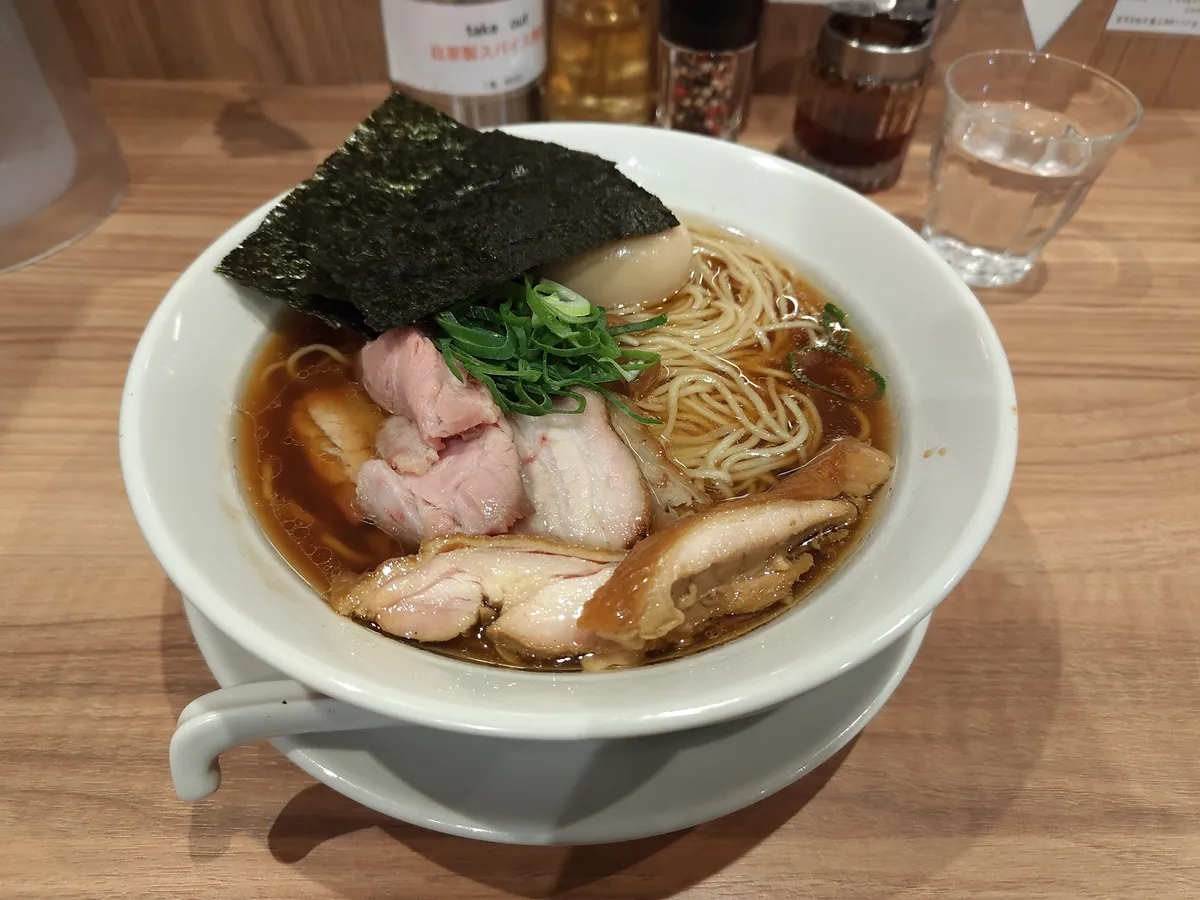
Origin: Tokyo. The most classic style, featuring a clear brown soup made with chicken, pork, and seafood dashi (broth). It can be called the origin of Japanese ramen. While it looks simple, it actually has the most derivative genres and has undergone unique evolutions across various regions nationwide.

Ren's Note
Shoyu is the 'origin'! There's an exciting feeling, like a beginner choosing their starting equipment in an RPG. Let's begin here!
Miso (Miso Paste)
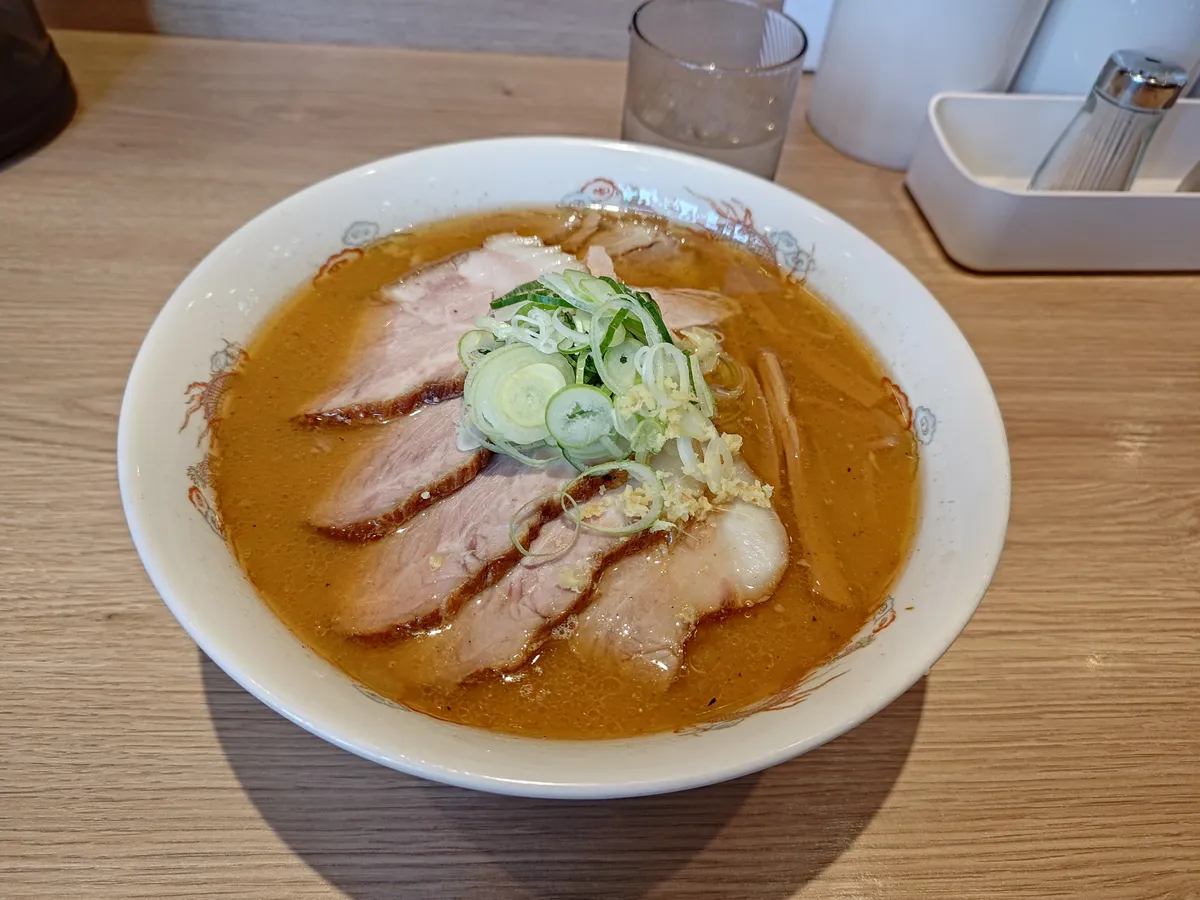
Origin: Sapporo. A rich, flavorful soup based on miso paste. It's particularly popular in colder seasons, and a common style features stir-fried vegetables on top. While Sapporo is its birthplace, it's not as widespread in other regions, so it's worth trying if you find it.
Shio (Salt)
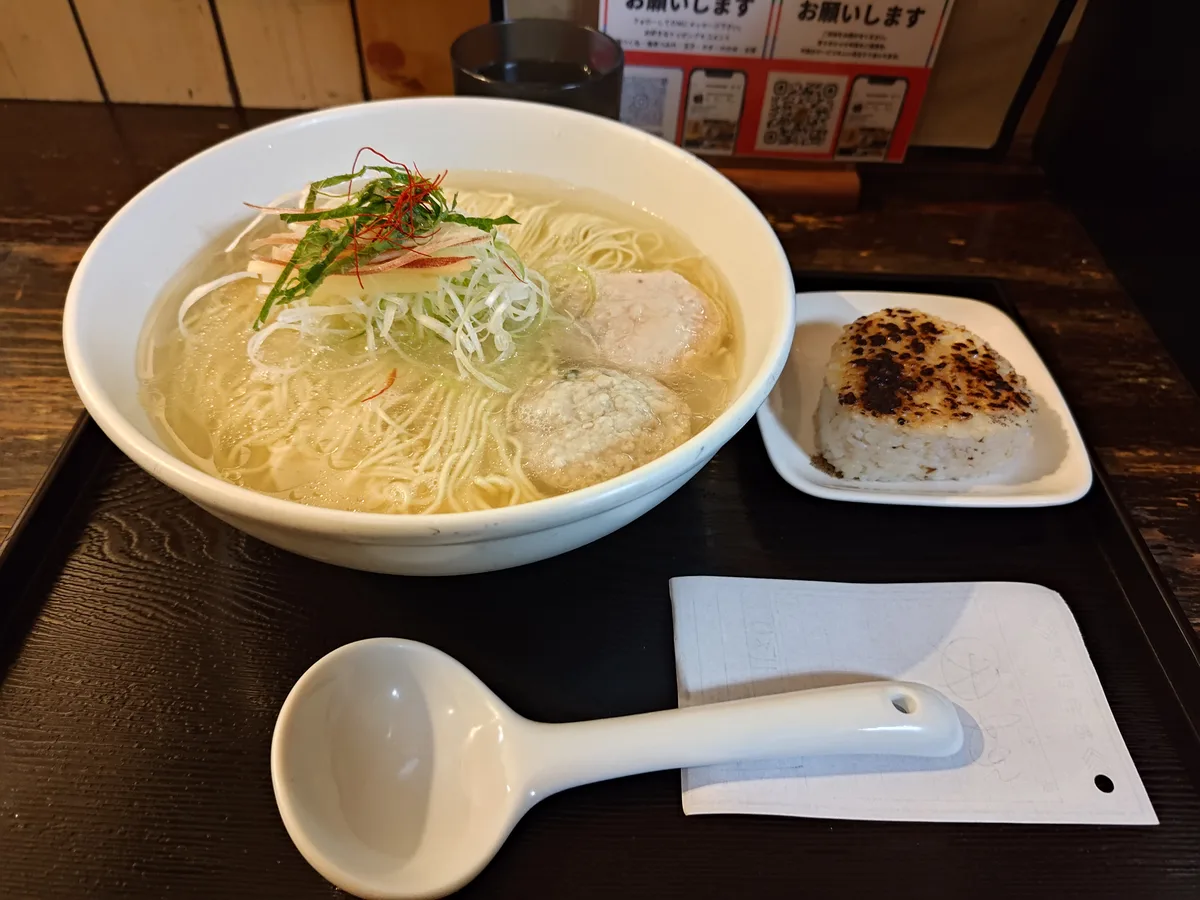
Origin: Hakodate. The simplest and clearest soup. It's often said to be the style that best tests a chef's skill, as the flavors of the ingredients come through most directly. It's light and easy to eat, especially recommended for those who dislike greasy foods or are unsure what ramen to try first.
Tonkotsu (Pork Bone)
Origin: Fukuoka (Hakata). A thick, cloudy white soup made from pork bones simmered for a long time. It has a distinctive flavor that can be divisive, but many people become addicted once they try it. Although it originated in Fukuoka, it's widely available in other regions too.

Dr. Hiro's Analysis
This classification method is highly rational. Especially with the 'Rarity' indicator, adventurers can make data-driven decisions on whether to enter a shop now or save it for later.
🔥Japanese People's Ardent Support: The New Four Major Trends
Ramen world spinoffs — four styles that uniquely evolved from the basic four styles and garnered passionate fans.
Gyokai Tonkotsu (Seafood and Pork Bone)
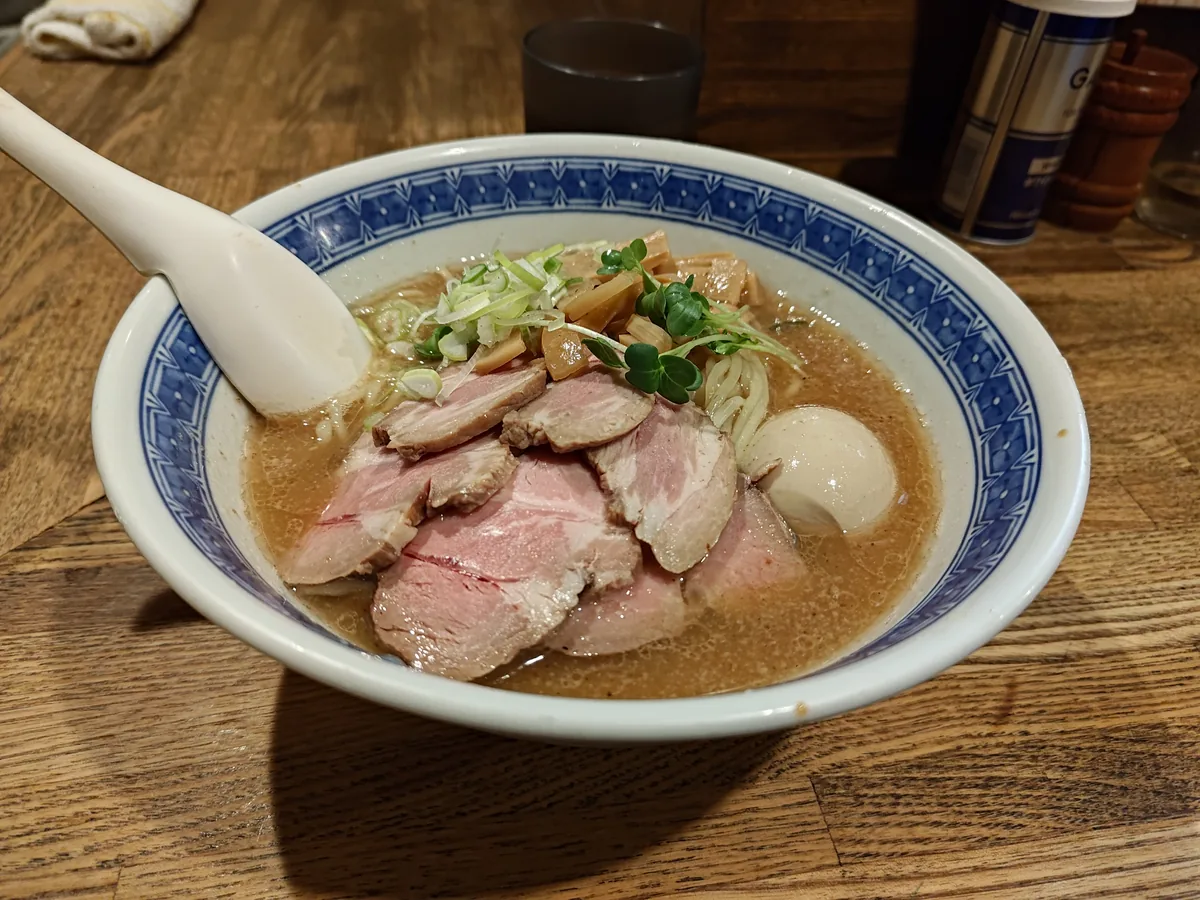
A Tokyo-born style that combines Tonkotsu (pork bone) soup with seafood dashi (broth). The depth of seafood is added to the richness, making it a unique style that's approachable even for first-timers.
Iekei (Yokohama-style)
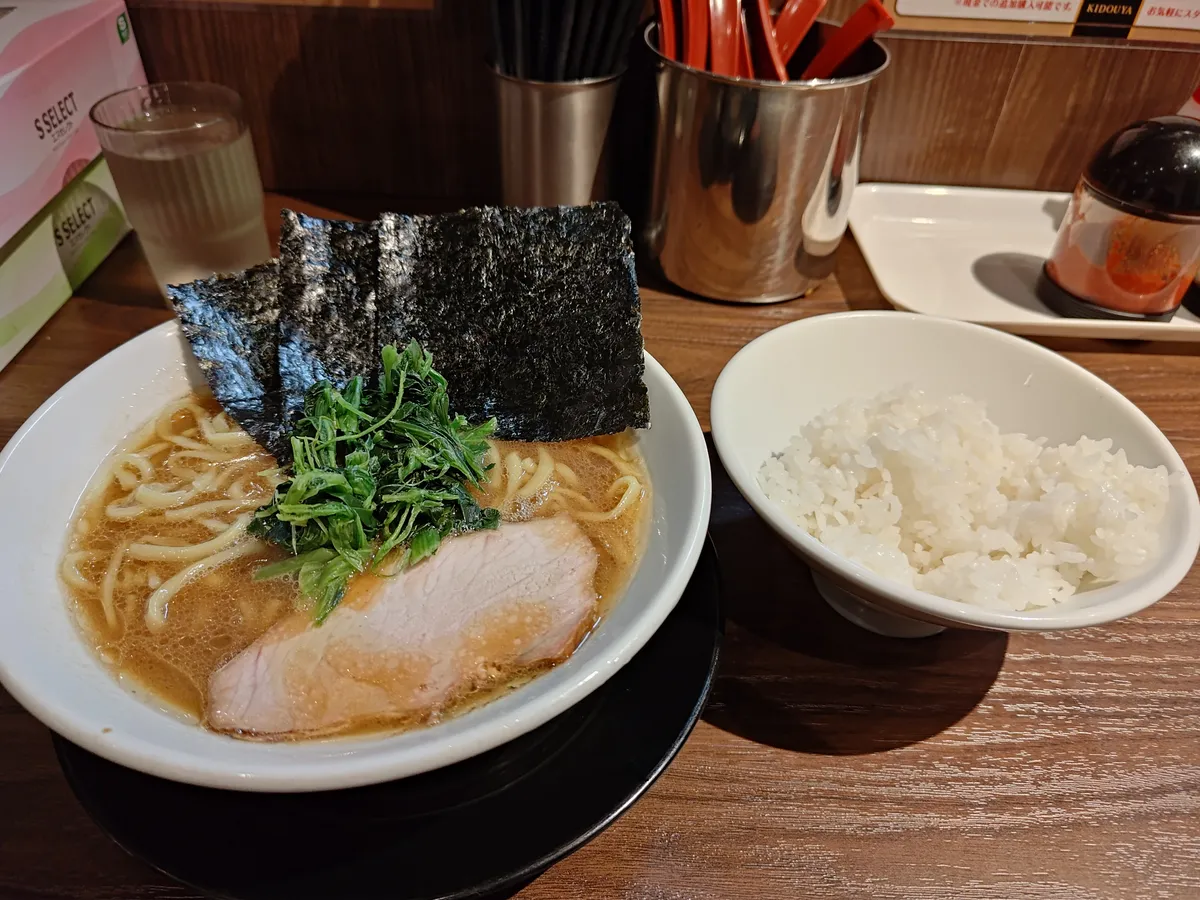
Origin: Yokohama. This style features a Tonkotsu Shoyu (pork bone and soy sauce) base with chicken oil and thick, straight noodles. It pairs exceptionally well with rice, and many shops offer free rice. There are often unique rules for ordering and dining.
Jirou-kei (Jiro-style)
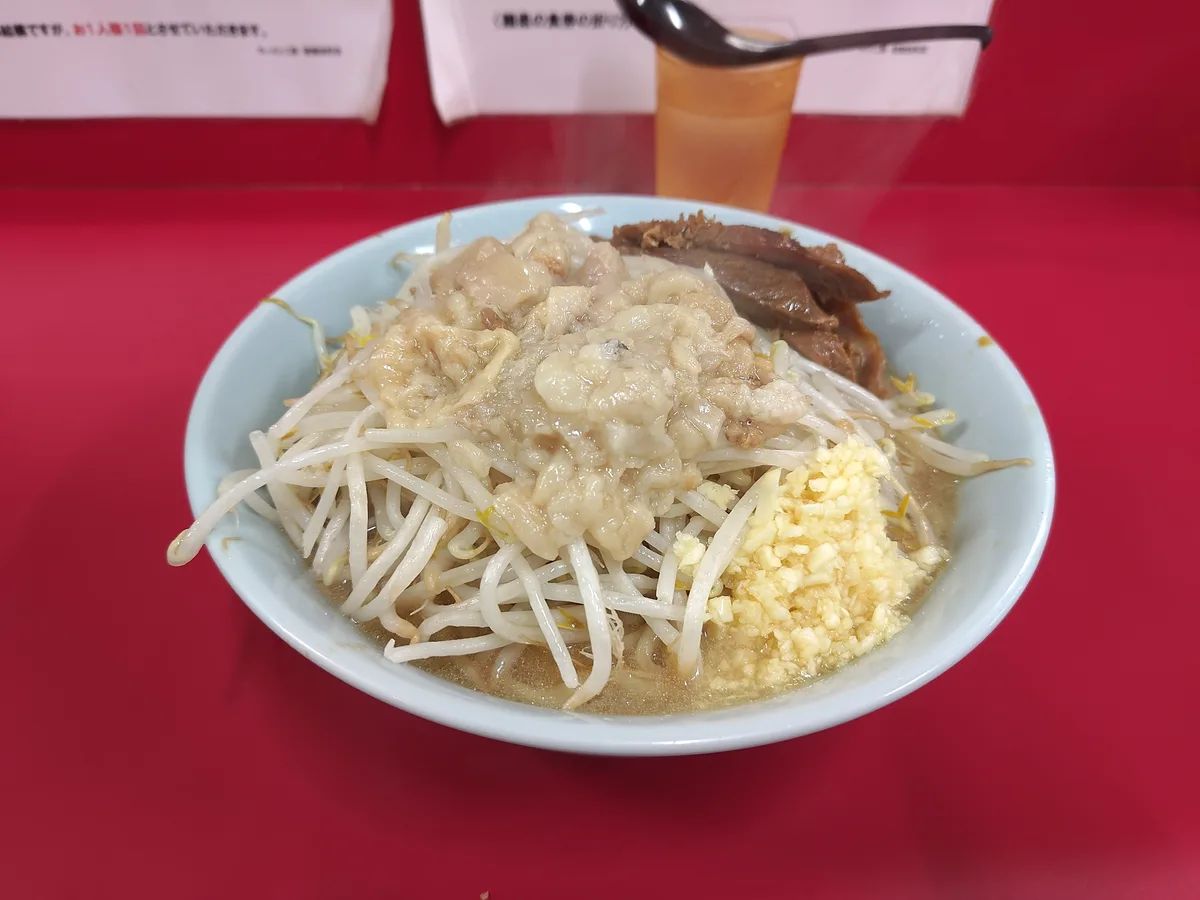
Characterized by massive portions of vegetables, back fat (seabura), and extra-thick noodles. It has unique ordering etiquette called 'call' (ko-ru), which can be confusing if you don't know it beforehand. It's a one-of-a-kind style with passionate fans.

Zack's Note
If you dive into a Jiro-style ramen shop without knowing the 'calls,' you're definitely going to panic. But the sense of accomplishment you get from conquering that mountain of vegetables and super-thick noodles is something you can't experience anywhere else. Make sure to read a strategy guide beforehand before you tackle it.
Tantanmen (Spicy Sesame Ramen)
Although originating in China, this style has evolved uniquely in Japan. It features a creamy, sesame-based soup with a kick of spiciness, creating its own distinct world that is neither purely ramen nor Chinese cuisine. Many shops allow you to adjust the spice level, making it an approachable style for international visitors.
🌟Examples of new genres emerging one after another
These are the cutting edge of Japanese ramen, only available at specialty shops or in specific regions.
Niboshi (Dried Sardine Broth)
Characterized by the intense umami and slight bitterness of niboshi (dried sardines) dashi. It's a divisive flavor, but those who love it often find themselves completely hooked. There's even a hardcore style known as 'cement-kei,' which pushes the broth concentration to its extreme.
Kombu-sui (Kelp Water)
A new sensation where you dip noodles soaked in kombu-sui (kelp water) into the soup as you eat. You can only experience this at a few specialized restaurants. It created a buzz, with many saying it 'redefines the concept of ramen.'

Sophia's Note
Ramen that doesn't use animal ingredients can sometimes be found at restaurants with a light or novel style. If you're looking for Pork-Free or Animal-Free options, try checking out salt ramen shops or those specializing in kombu-dashi (kelp broth) ramen. However, it varies by restaurant, so always be sure to confirm in advance.
Tomato Ramen
A fusion of Italian cuisine and ramen. This surprising bowl features noodles paired with an acidic, tomato-based soup, making you realize 'ramen has come this far!'
📌Special Mention: Tsukemen (Dipping Noodles)
Tsukemen, where the soup and noodles are served in separate bowls, is a major pillar of the modern Japanese ramen scene. In this style, you dip cold or room-temperature noodles into a hot, rich soup. It might seem unusual at first glance, but once you get used to it, it becomes incredibly addictive.
This article cannot cover it fully, so please refer to our dedicated guide for more details.
🧭Reverse Guide: Choose by Your Preference
| Your Preference | Recommended Style |
|---|---|
| I like rich flavors | Tonkotsu, Iekei, Jirou-kei |
| I like light flavors | Shio, Shoyu |
| I like spicy food | Tantanmen, Miso |
| I like seafood | Niboshi, Gyokai Tonkotsu |
| I want an adventure | Kombu-sui, Tomato Ramen |
🛡️Verified by Real Humans
This guide is based on knowledge accumulated by our local Japanese team, who have personally visited and sampled each style.
Once your style is decided, next, let's prepare to actually go to the store.
"We don't let AI eat ramen. We use AI to draw the coolest map so adventurers worldwide can find the real treasure hidden in Japan's back alleys."
Made in Japan — with local knowledge & AI assistance