Recently Added
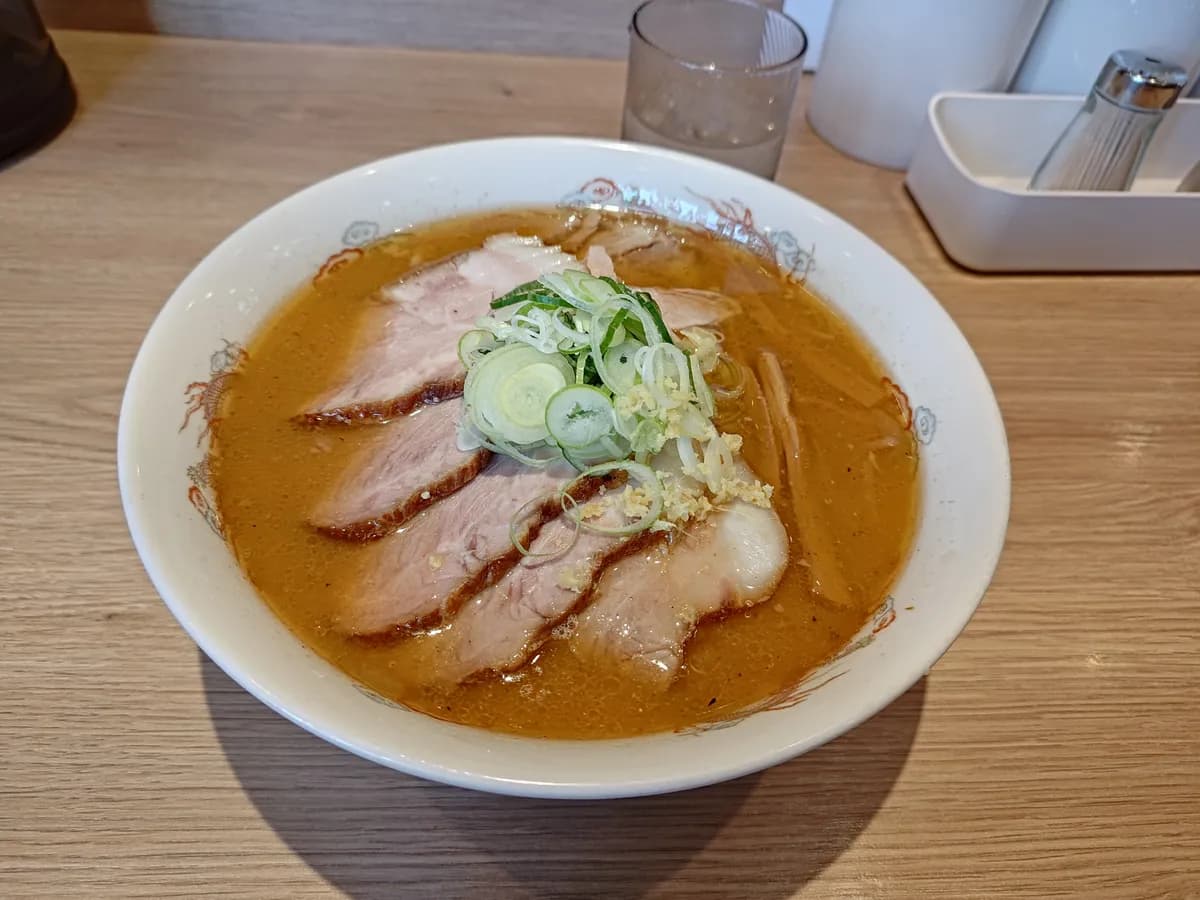
Sapporo Junren
さっぽろ純連 札幌店
A renowned restaurant established in 1964, tracing its roots to Sumire. Its most distinguishing feature is the thick layer of lard covering the soup's surface, which traps the heat so effectively that no steam rises, allowing you to savor scorching hot miso until the very last spoonful. This rich yet mellow bowl, boasting a deep umami and a powerful punch of garlic and ginger, will warm you to the core by the time you finish. The thick, firm, and curly noodles are rich in wheat flavor and stand up perfectly to the robust miso soup. The chashu is rich yet melts in your mouth, and its excellent flavor penetration is truly superb.
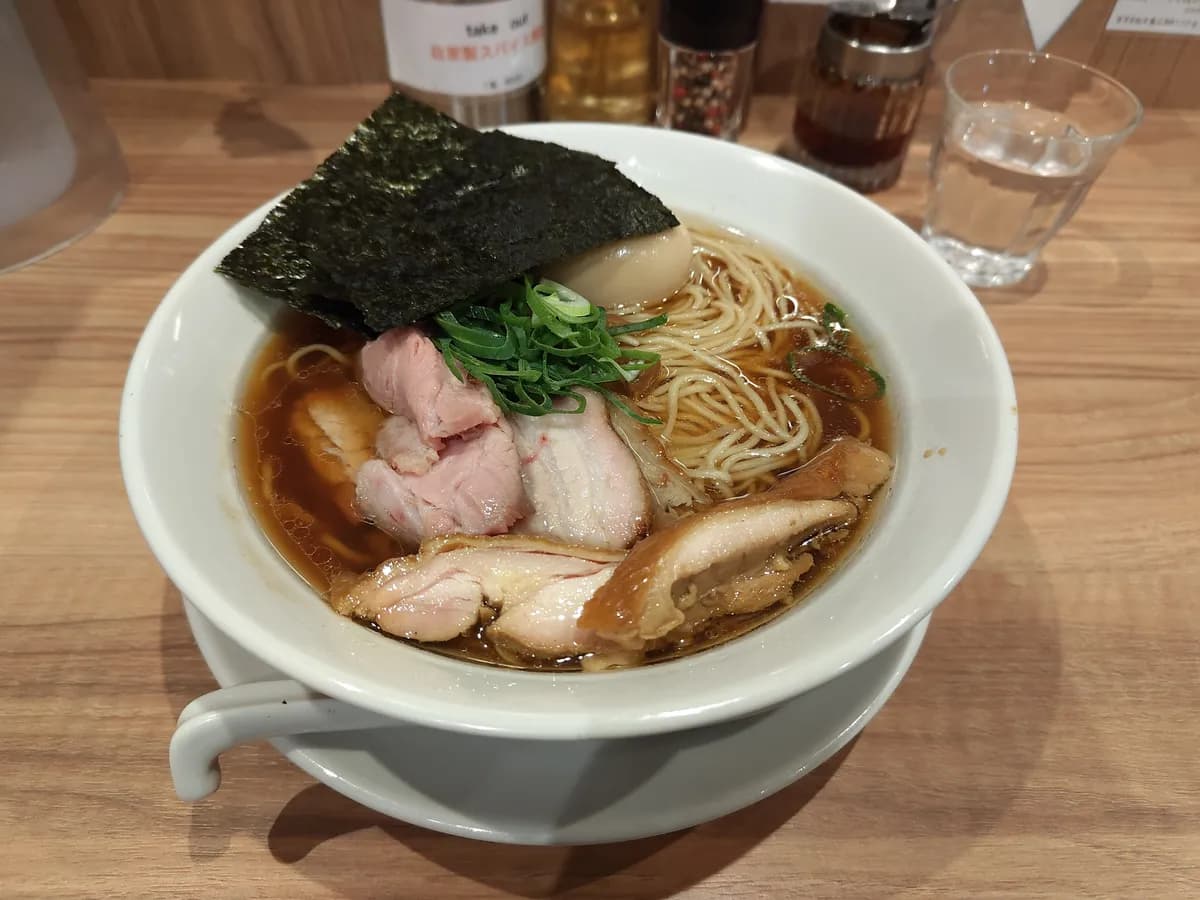
Mendokoro Honda Akihabara
麺処 ほん田 秋葉原本店
This renowned shoyu ramen shop relocated from Higashi-Jujo. Its triple Chintan soup (animal-based, Japanese dashi, and shellfish dashi) creates a sophisticated, multi-layered flavor. The exquisite shoyu tare is a blend of five types of soy sauce, including three varieties of raw soy sauce. With a high Tabelog rating of 3.80, expect a line even on weekday evenings. First-time visitors, please note: do not buy a ticket immediately. Line up first, and purchase your meal ticket only after being instructed by the staff.
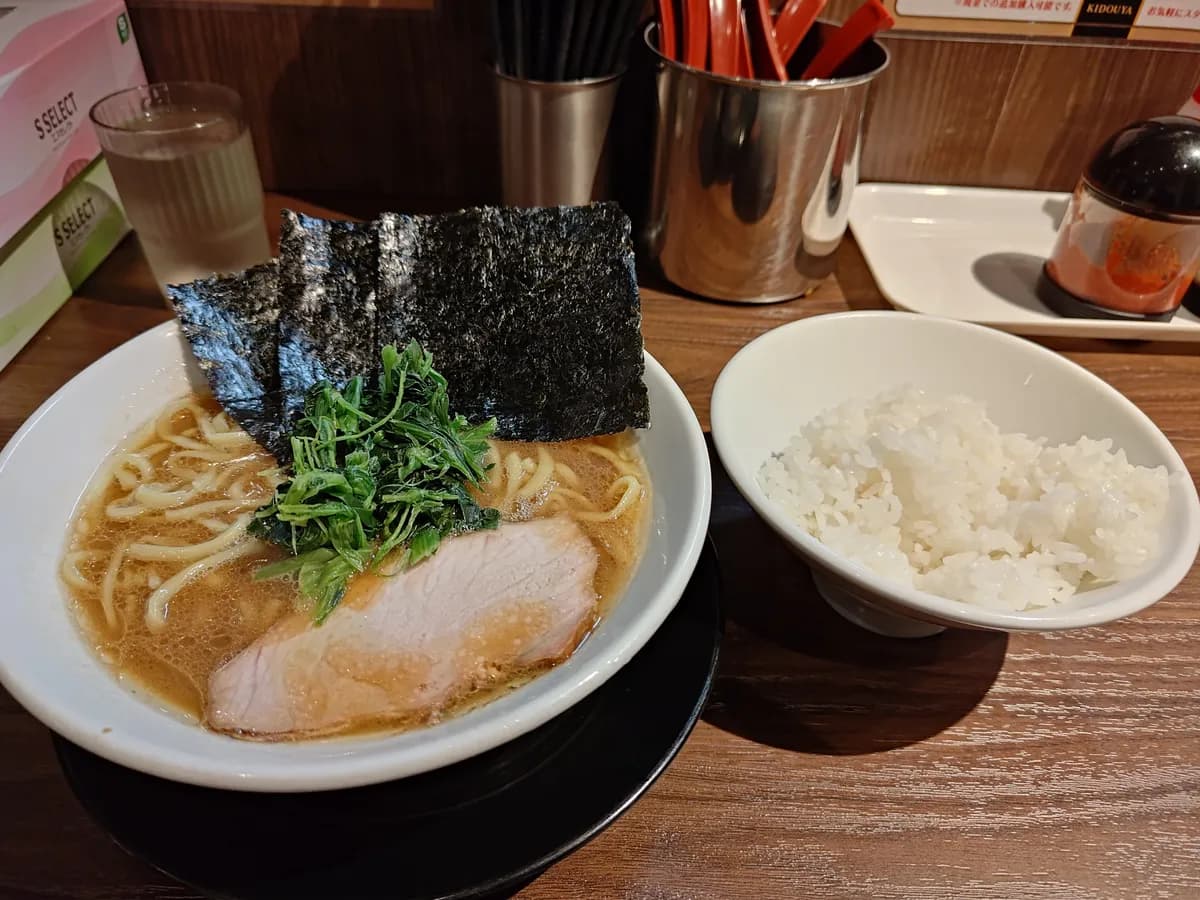
Kidouya Suidobashi
輝道家 水道橋駅前店
Kido-ya Suidobashi Ekimae branch, located in Jimbocho, Tokyo, is a popular shop where you can enjoy authentic Yokohama Iekei ramen. It features a powerful soup with a restrained animal odor and smoked chashu, making it recommended even for Iekei beginners. The ticket vending machine and customization sheet offer English options, so you can simply say "Futuu de" (normal) for your preferences. However, please note that only cash is accepted for payment (credit cards and e-money are not available). A classic Iekei way to eat is to wrap the rice (¥150, free refills) in nori seaweed. The default flavor is quite rich, so if it's your first visit, we recommend asking for "Futsuu" (normal) or "Usukuchi" (light) for the taste.
Ramen Jiro Shinjuku Kabukicho
ラーメン二郎 新宿歌舞伎町店
Ramen Jiro Shinjuku Kabukicho branch, a direct affiliate of Ramen Jiro, is located in Kabukicho, just a 1-minute walk from Seibu-Shinjuku Station. Its rich tonkotsu shoyu (pork bone soy sauce) soup, homemade thick noodles, and generous portions of chashu (braised pork belly) deliver that signature Jiro-style satisfaction. Even the "Small Ramen" comes with a substantial 200g of noodles, so first-timers might consider choosing "Sukuname" (less noodles). The ordering process involves unique customs. First, purchase your meal ticket from the vending machine. Since the menu is in Japanese only and lacks photos, it's recommended to familiarize yourself with basic items like "Small Ramen (950 yen)" and "Large Ramen" beforehand. There's a system to indicate noodle firmness by folding your ticket; if you prefer "katame" (firmer noodles), fold your ticket in half and place it on the counter. Just before your bowl is served, you'll be asked for your toppings, known as the "call." When you hear "Ninniku iremasu ka?" (Would you like garlic?), verbally state your preferences for "yasai" (vegetables), "ninniku" (garlic), "abura" (pork fat), and "karame" (stronger seasoning), including their quantity or absence. Occasionally, a foreign staff member might ask "Toppings?" in English. Please note the in-store rules: no phone calls, no entry if intoxicated, and no photography other than your ramen. There's also an unspoken understanding to "not disrupt the lot" – meaning, eat quickly once your ramen is served. Cold water and soup ladles are self-service. Payment is cash only. Open until 2 AM.
Niboshi Chukasoba Suzuran
煮干中華そば 鈴蘭
A specialist Chuka Soba shop located just a 2-minute walk from Shinjuku-sanchome Station, focusing on a niboshi (dried sardine) base. Our signature bowl features a clear soy sauce soup with a robust niboshi aroma, offering a light yet deeply flavorful experience. The hosaki menma (bamboo shoot tips) are renowned for their exceptional bamboo flavor, and the chashu (pork slices) are slow-cooked at a low temperature to ensure a wonderfully moist finish. Limited-time menus such as rich niboshi soba and shrimp miso tsukemen frequently appear, promising a new taste discovery with every visit. Open until 11 PM, we also offer a drink menu, making us a great spot to enjoy a drink with your meal.
Chukasoba Rukawa
中華そば 流川
Just a 1-minute walk from Shinjuku Nishiguchi Station, this ramen shop specializes in its signature "Gyukai Chintan" (Beef-Shellfish Clear Soup), a unique blend of domestic beef bones, chicken, and shellfish dashi. The clear, pristine soup offers a delightful synergy of rich beef umami and elegant shellfish flavor, creating a profile so captivating you'll want to savor every last drop. They offer two varieties: Shoyu (soy sauce) and Shio (salt), with the Shio ramen served with truffle paste. The thin, straight noodles from Kanno Seimenjo are pleasantly firm with an excellent ability to cling to the soup, but as they tend to soften quickly, it's recommended to enjoy them without delay. Although it's a small establishment with 10 L-shaped counter seats, service is swift, ensuring a smooth and efficient dining experience.
Ramen Hosenka
らぁ麺 鳳仙花
This is a specialty shop in Kabukicho, focusing on salt ramen that highlights the broth of golden sea bream (kinmedai). A single sip of the clear soup fills your mouth with the rich umami of kinmedai, complemented by the savory accent of grilled kinmedai. The specialty "Kinmedai Chazuke" (sea bream over rice in broth), served as a finishing dish, involves adding wasabi and rice to the leftover ramen soup. It's a popular choice, with many customers enjoying it as a set with their ramen. With Kinmedai Ramen priced at 850 yen and Chazuke at 200 yen, its excellent cost-performance for such quality is also a major draw. Open until 11 PM, it's a convenient stop for those exploring Kabukicho.
Ramen Manrai
らぁめん 満来
Located a 5-minute walk from Shinjuku Station's West Exit, this is an established ramen shop and the original establishment from which its neighbor 'Horiuchi' branched off. The menu primarily features two types: ramen and Zaru (tsukemen). A striking characteristic is the overwhelming volume, with even a regular serving containing 1.5 to 2 times the normal amount of noodles. The soup is a chicken-based clear soy sauce, offering a gentle, old-fashioned flavor with a robust umami. The chashu pork is thickly sliced (over 1cm), resulting in a tender and juicy finish. Open until 11 PM, it's perfect for those seeking a hearty meal or a satisfying bowl after a night out.
Ramen Horiuchi Shinjuku
らぁめん ほりうち 新宿本店
Located just a 3-minute walk from Shinjuku Station's West Exit, this long-established shop is renowned for its Zaru Ramen (Tsukemen). It's so popular that the majority of customers order Zaru. The flat, wavy noodles are delightfully smooth and chewy, and served in a generous portion. The soy sauce-based dipping broth, made with a chicken and pork bone base, boasts a crisp, sharp flavor with no sweetness. The thick-cut chashu is tender and not greasy. Open from 8 AM to 11 PM, it's a versatile spot perfect for an early morning meal or a late-night finish after drinks. This is a beloved, staple eatery in Shinjuku West Exit, cherished for over 30 years.
Menya Kaijin Shinjuku
麺屋海神 新宿店
Located just a 30-second walk from Shinjuku Station's Southeast Exit, on the second floor of a building, this is a specialty restaurant dedicated to fish bone broth shio ramen. The clear, golden soup, simmered daily from the bones of various fish like red sea bream, splendid alfonsino, conger eel, and yellowtail, offers a profound flavor with multiple layers of seafood umami. Instead of chashu pork, the ramen is topped with distinctive red and white chicken meatballs and shrimp dumplings, with Japanese herbs such as shiso and myoga providing a refreshing accent. A must-try is the 'Heshiko Yaki Onigiri' (grilled rice ball with fermented mackerel) set, which you crumble into the leftover soup to enjoy as a flavorful finish. Open until late, usually around 11 PM, it's also an excellent choice for a comforting bowl after an evening out.
Menya Sho Honten
麺屋 翔 本店
Nestled in a back alley of Nishi-Shinjuku, this shop is famous for its salt ramen which highlights the exquisite umami of Shamo gamecock. Its clear, golden soup harmonizes the richness of chicken oil with the powerful umami of Shamo, offering a light yet profoundly deep flavor. The chashu features several varieties, including duck and smoked options, while the smooth, delightful texture of their wontons is also highly praised. Though it's a bit of a walk from the station, it often has shorter queues and easier entry, making it a true hidden gem. During lunchtime, you can enjoy a free large serving (omori) of noodles or a complimentary side of rice.
Huunji Shinjuku
風雲児 新宿本店
This popular shop, located underground in the Shinjuku Station South Exit area, specializes in rich seafood x chicken paitan tsukemen. The double soup, a blend of chicken paitan and seafood, is rich yet boasts a refreshing aftertaste. Stirring in the fish powder piled in the center instantly elevates the aroma. The medium-thick straight noodles, crafted by a former Italian chef, are delightfully chewy and elastic, offering a substantial presence that perfectly complements the rich soup. Large portions are free, and the final soup-wari (broth dilution) is self-service. Despite being a highly popular spot frequently listed in "Top 100 Shops" and known for its long queues, the high turnover rate means you can often get in surprisingly smoothly. The touch-panel ticket machine features photos and multi-language support, making it easy to order even for first-time visitors. Business hours may change, or the shop might close early if the soup runs out, so we recommend checking their official website (https://www.fu-unji.com/ - multi-language supported) before your visit.
Ramenya Shima
らぁ麺や 嶋
This is a reservation-only ramen shop located in Nishi-Shinjuku 5-chome. Reservations are made via TableCheck, with bookings for the following day opening at 8 AM JST the day before. TableCheck supports 18 languages and does not require a Japanese phone number, making it an easy platform for overseas visitors to book. Slots often fill up immediately after opening, but if you persist for a few minutes and keep refreshing the screen, openings may appear. The shop features a 6-seat L-shaped counter where the owner meticulously prepares each bowl one by one. The core offerings are three types: Shio (salt), Shoyu (soy sauce), and Shiro-Shoyu (white soy sauce). The soup is described as 'Noukou Chintan' (rich clear soup), meaning it is clear yet packed with concentrated umami. Four types of chashu (braised pork belly), including smoked and aburi (seared), are used. The 'Tokujo' (special) option also includes two types of wontons: shrimp and pork. This is a highly-regarded restaurant, receiving top-class evaluations in Tabelog's national ramen rankings. Since you don't have to wait in line once you secure a reservation, it's highly recommended for travelers with limited time.
Tsukemen Gonokami Seisakujo
つけ麺 五ノ神製作所
This is a specialty shop for shrimp tsukemen located in the Shinjuku Station South Exit area. Their signature dish, "Ebi Tsukemen," features a rich, thick shrimp soup reminiscent of bisque, which perfectly coats the thick, chewy whole-wheat noodles. The "Ebi Tomato Tsukemen" offers Western accents of basil and tomato, allowing you to enjoy a flavor akin to Italian pasta. Popular options include a service of one free topping for smaller noodle portions, and the recommended way to finish your meal by enjoying the soup to the last drop with "Grilled Cheese Rice." Despite being a highly-rated establishment frequently listed in "Hyakumeiten" (Top 100 Shops), it boasts a fast turnover, meaning relatively short waiting times.
Gion Duck Noodles
Gion Duck Noodles
A duck ramen specialty shop hidden deep in a narrow alley near Yasaka Shrine. The signboard, shop name, and menu are all expressed in emojis, with staff ready to politely explain everything. Crafted by a chef with a French culinary background, the ramen is a sophisticated dish featuring duck consommé soup extracted with a siphon, paired with German rye whole wheat noodles. You can choose between moist duck thigh or breast meat. A unique touch is enjoying a flavor change with 'budo sansho' (grape sansho peppercorns) sprinkled along the rim of the bowl. The duck tsukemen with berry sauce and the 'shime' duck rice with dashi broth are also highly popular. Besides 9 counter seats, there are small tables for couples, allowing you to savor a truly Kyoto-esque bowl in a tranquil, bar-like atmosphere. The majority of patrons are international visitors, and with an all-emoji menu, ordering is seamless without any language barriers.
Honke Daiichi Asahi Honten
本家 第一旭 本店
Founded in 1947, this venerable establishment is synonymous with Kyoto ramen. Its clear tonkotsu-shoyu (pork bone soy sauce) soup is rich yet has a clean, refreshing aftertaste. Another draw is the generous portion, featuring medium-thick straight noodles, plenty of Kujo green onions, and a default topping of five slices of chashu (braised pork). Despite its convenient location, just a 5-minute walk from Kyoto Station, be prepared for queues of 30 to 70 people even on weekdays. Open from 6 AM until 1 AM, making early morning or late-night visits recommended.
Ginjo Ramen Kubota
吟醸らーめん 久保田
This is a renowned miso tsukemen restaurant in Kyoto with nearly 20 years of history. Its dipping sauce, based on Haccho miso and layered with the rich umami of pork bone and shrimp, is characterized by its deep yet refined flavor. The homemade medium-thick noodles, made with whole wheat flour, have a delightful chewiness and perfectly entwine with the rich dipping sauce. After finishing your noodles, a classic way to enjoy the experience is to dilute the remaining dipping sauce with the bonito dashi broth provided at your table. The ticket vending machine features English descriptions and photos, making it a popular destination for many international visitors.
Kizunaya
皇綱家
A 1-minute walk from Ikebukuro West Exit, this is an Iekei ramen shop in the Ōdōke lineage. Iekei ramen is a style characterized by a rich pork and soy sauce broth, thick noodles, and specific toppings. The dish features a rich, dark tonkotsu shoyu soup (a pork bone and soy sauce broth) with a prominent flavor of chiyu (chicken oil), paired with medium-thick straight noodles. Classic toppings include hōrensō (spinach), nori (seaweed), and kunsei tsurushi-yaki chāshū (smoked hanging-roasted pork belly, a type of braised pork). Following the Iekei style, you can verbally specify your preferred noodle firmness (men no katasa), flavor intensity (aji no kosa), and oil quantity (abura no ryō) when ordering. If you're unsure, just say "Futsu de" (normal) for everything. The tabletop is equipped with various condiments such as mayonnaise, mugen ninniku (infinite garlic, a free garlic topping), kizami shōga (chopped ginger), and tōbanjan (chili bean paste), allowing for versatile flavor customization (ajiben). Regulars enjoy adding rice tabehōdai (all-you-can-eat rice, available for an additional charge) and creating their own personalized rice bowl with garlic and mayonnaise. Late-night hours are available, with operations extending until 1 AM on Fridays and Saturdays.
Menya Nakagawa
MENYA NAKAGAWA
Located a 5-minute walk from Ikebukuro West Exit, this popular restaurant is known for its carefully prepared chicken broth ramen and tsukemen. Their signature Chicken Salt Ramen features a clear soup blended with clam broth and Setouchi sea salt. The popular Chicken Seafood Tsukemen offers rich dipping broth made from Kyushu chicken bones and Kujukuri dried sardines, paired with chewy thick noodles made from Hokkaido wheat. You can enjoy a change of flavor mid-meal by adding lemon or black shichimi. The cheese risotto (120 yen) for the tsukemen is also highly recommended as a perfect finish. The restaurant boasts a clean interior, complete with paper aprons and luggage storage. An English menu is displayed next to the ticket machine, making it easy for international visitors to order. The style of ordering is to buy your meal ticket first and then queue. Cash only.
Men Mitsui
麺 みつヰ
Located in Asakusa, "Men Mitsui" is a popular ramen shop specializing in soy sauce (shoyu) and salt (shio) ramen, beloved by locals. The shop uses a system where you issue a numbered ticket from a tablet at the storefront and receive a call notification via QR code, allowing you to enjoy exploring Asakusa during your wait. You can choose between medium-thick hand-kneaded noodles and thin noodles. For convenience, the shop supports various cashless payment methods, including credit cards and e-money.