Complete Guide to Ikebukuro Ramen — 20 Shops to Try in the Birthplace of Tsukemen and Anime Holy Land
A cost-performance battleground in one of Tokyo's three sub-centers. A guide to 20 shops in the birthplace of tsukemen, perfect for anime pilgrimage breaks.


📖What You'll Find in This Guide
- 20 ramen shops in the Ikebukuro area, organized by difficulty, zone, and style
- Convenient routes to shops near Sunshine City, Otome Road, and Pokémon Center
- The history of Ikebukuro's ramen culture, the birthplace of tsukemen
- Zone-specific guides for East, West, and North Exits, and the nearest exit for each shop
- Comparison with Shibuya and Shinjuku, and a Yamanote Line three-sub-center hopping plan
- Location-based hotel guide for travelers staying in Ikebukuro
⚡If You're Lost — Ikebukuro Ramen Quick Reference
| Scene | Shop | Difficulty | Key Point |
|---|---|---|---|
| First-time visitor to Japan, don't want to make a mistake | Shinjiko Shijimi Chukasoba Kohaku | ★1 | Located on 1F of APA Hotel at North Exit, a salt ramen you can drink to the last drop, 4 counter seats + 5 tables |
| A bowl in the birthplace of tsukemen | Chisoumen Mamiana | ★2 | Famous shop at the East Exit, rich seafood tsukemen, full payment support |
| Immediately after anime pilgrimage | Tokyo Underground Ramen Ganja | ★2 | Tobu Hope Center basement, directly connected to the station, 24 seats |
| Late-night ramen to finish the day | Hirochan Ramen! | ★3 | Open 24 hours, rich shoyu ramen (chan-kei style) |
| A bowl for experienced ramen eaters | Japanese Ramen Gokan | ★4 | Delicate clear soup (chintan) with shellfish dashi and chicken oil, open for lunch only |
About Information Sources
Information in this article is based on curation from official websites, social media, review sites, and some on-site verification. While we strive for accuracy, please check each shop's page for the latest information before visiting.
📚For First-Timers — Mini Glossary of Ramen Terms
- Chūka-soba (中華そば): Traditional ramen with a soy sauce or salt base, often featuring chintan (清湯, clear) soup.
- Tsukemen (つけ麺): A style where noodles and rich soup are served separately, and you dip the noodles into the soup to eat. Ikebukuro is its birthplace.
- Tori-Paitan (鶏白湯): A rich, creamy soup made by simmering chicken bones for a long time.
- Iekei (家系): A style originating in Yokohama, characterized by a tonkotsu shoyu (pork bone soy sauce) base, chicken oil, and Sakai-seimen noodles. Noodle hardness, flavor strength, and oil quantity can be customized verbally.
- Jiro-kei (二郎系): Rich ramen piled high with vegetables, fat, and garlic. Requires a 'call' (口頭注文, verbal order) for customization.
- Tantanmen (担々麺): A spicy Chinese-style noodle dish with sesame paste, chili oil, and Sichuan peppercorns. Available in soupy (shiru-ari) and soup-less (shiru-nashi) versions.
- Niboshi (煮干し): A seafood base made from dried sardines. Flavors range from light (tanrei) to thick and rich (doro-noko).
- Aedama (和え玉): Extra noodles already seasoned with oil and sauce. Enjoy half as is, and dip the other half into your soup for a two-way experience.
- Call (コール): Verbal customization requests made when submitting your ticket at Jiro-kei or Iekei shops (e.g., 'garlic,' 'vegetables').
- Chan-kei (ちゃん系): A new style of pork chintan ramen originating in Kanda and Asakusa, recently gaining popularity in Tokyo.
🏙️Ikebukuro — One of Tokyo's Three Sub-Centers, a Cost-Performance Battleground and Anime Holy Land
Ikebukuro is one of Tokyo's three major sub-centers, alongside Shinjuku and Shibuya, serving as a northern hub station on the JR Yamanote Line. It's the world's third busiest railway station, with approximately 2.3 million users daily (after Shinjuku and Shibuya). Compared to Shinjuku and Shibuya, traveler forums like Tripadvisor and English Tokyo guide articles tend to describe it as 'less crazy,' a 'budget-friendly alternative,' or a 'cheaper option for budget travelers,' with accommodation costs generally lower among the three sub-centers.
However, Ikebukuro is not merely a 'cheap accommodation area.' It's a holy land for female-oriented anime and subculture, centered around Otome Road (乙女ロード). Pokémon Center MEGA TOKYO and Evangelion Store TOKYO-01 within Sunshine City attract both domestic and international travelers. Sometimes referred to as 'Akihabara for girls,' it's a highly popular area for solo female travelers and families from abroad.
And when it comes to food, Ikebukuro is one of Tokyo's leading ramen battlegrounds. The East Exit area, in particular, is known as the 'Ramen Battlefield,' dense with famous shops that cater to diverse demands from students, tourists, and subculture enthusiasts, boasting a history as the starting point of the tsukemen boom. It's also the place where Kazuo Yamagishi opened 'Higashi-Ikebukuro Taishoken' in 1961 and popularized the eating style of 'dipping cold noodles into warm soup,' which he had enjoyed as a staff meal during his training at Nakano Taishoken, under the name 'Tokusei Mori Soba' (Higashi-Ikebukuro Taishoken is not featured on this site).
This guide organizes 20 shops in the Ikebukuro area by difficulty and zone. Whether you're looking for a shop to naturally drop into after visiting Sunshine City or Otome Road, a late-night ramen to finish your day, or a family-friendly spot — find the perfect bowl that suits the multifaceted city of Ikebukuro.

Ren
Ikebukuro has a unique 'down-to-earth calm' that differs from Shinjuku's terminal feel or Shibuya's youth culture. It's a city that caters to everyone — travelers visiting for anime, students commuting from Saitama, and residents who call the area home — and that, in turn, has nurtured one of Tokyo's premier ramen battlegrounds.
🔄Tokyo's West Loop Trio — How to Choose Between Shibuya, Shinjuku, and Ikebukuro
Shibuya, Shinjuku, and Ikebukuro are Tokyo's three major sub-centers, forming a chain on the western half of the Yamanote Line. Each has a distinct personality, and the best area depends on your travel style and purpose. The table below summarizes the trends in ramen culture across the three areas. The 'Triple Ramen Trail' section at the end of the article also introduces a model course for ramen hopping across all three areas in one day.
Based on Shops Featured on This Site
The values in the comparison table reflect trends among shops featured on this site (20 shops each in Shibuya, Shinjuku, and Ikebukuro) and do not represent all shops in each area.
| Category | Shibuya | Shinjuku | Ikebukuro |
|---|---|---|---|
| Category | Youth culture, tourism, trends | Tokyo's largest terminal, 24-hour city | Third of the three sub-centers, cost-performance, anime holy land |
| Customer Base | Youth, tourists, international travelers | Business travelers, tourists, locals, nightlife crowd | Students, otaku culture enthusiasts, families, commuters from Saitama |
| Accommodation Costs (Trend) | Higher | Medium to High | Lower (lowest among the three sub-centers) |
| Tourist Links | Shibuya Scramble Crossing, Harajuku, Daikanyama | Tokyo Metropolitan Government Building, Shinjuku Gyoen, Kabukicho, Golden Gai | Sunshine City, Otome Road, Pokémon Center |
| Food Characteristics | Dietary restriction friendly, late-night, new generation styles | Diverse hours from morning ramen to late-night | Birthplace of tsukemen, ramen battleground, cost-performance |
| Atmosphere | Trendy, youthful, fast-paced | Huge, multifaceted, labyrinthine station | Down-to-earth, calm, subculture-rich |
| Main Theme | Behind the world's busiest intersection | Navigating the labyrinthine station without getting lost | Eating in the birthplace of tsukemen within an anime holy land |
| Travel Style | Shibuya | Shinjuku | Ikebukuro |
|---|---|---|---|
| First-time Tokyo visit, tourism-focused | ◎ | ◎ | ○ |
| Anime/subculture focused | ○ | ○ | ◎ |
| Families seeking a relaxed atmosphere | △ | ○ | ◎ |
| Dietary restrictions (Halal/Vegan) | ◎ | ○ | ○ |
| Purpose: late-night ramen | ○ | ◎ | ○ |
| Want to experience tsukemen and a ramen battleground | ○ | ○ | ◎ |
| Want to keep accommodation costs down | △ | ○ | ◎ |

Dr. Hiro
The difficulty distribution among Ikebukuro's 20 shops is: 5 shops rated ★1, 4 shops rated ★2, 8 shops rated ★3, and 3 shops rated ★4. With 9 easily accessible shops (45%) rated ★1 to ★2, it's a battleground that still offers plenty of options for first-time visitors to Japan. Meanwhile, ★3 boasts 8 shops, providing a solid middle-ground and ensuring a rich variety of choices.
🗺️Map of All 20 Ikebukuro Ramen Shops
Here is a list of 20 shops we recommend in the Ikebukuro area (including East Exit, West Exit, North Exit, and Higashi-Ikebukuro). Tap a shop name to go to its details page, where you can check business hours, ordering methods, and reviews.
Tap/Click Shop Name
Each shop name is a link. Tapping or clicking will take you to the shop details page (business hours, ordering guide, reviews, etc.).
About Payment Methods
Payment methods may change at the discretion of the shop. Please check each shop's page for the latest information before visiting.
How to Read Special Classes
🧙 Wizard = Shops with tricky ordering (e.g., verbal customization for Iekei or Jiro-kei). 🥷 Ninja = Hidden gems with hard-to-find entrances or locations. 🥋 Dojo = Famous shops with unique rules.
🗾 Ikebukuro Ramen Map
★1 to ★2 — 9 Beginner-Friendly Shops for International Travelers
| Shop | Difficulty | Style | Payment |
|---|---|---|---|
| Tori no Ana | ★1 | Tori-Paitan | Cash Only |
| Mutekiya | ★1 | Rich Tonkotsu | Cash Only |
| MENYA NAKAGAWA | ★1 | Chicken x Clam | Cash Only |
| Kikanbo Spicy Numbing Miso Ramen | ★1 | Miso, Karashibi | Cash Only |
| Shinjiko Shijimi Chukasoba Kohaku Ikebukuro Branch | ★1 | Salt, Shijimi Clam | Cash Only |
| Chisoumen Mamiana | ★2 | Tsukemen, Seafood | Full Payment |
| Mendokoro Hanada Ikebukuro Branch | ★2 | Miso | Cash Only |
| Tokyo Underground Ramen Ganja | ★2 | Tsukemen, Seafood Tonkotsu | Cash/E-money |
| Noodle Voice | ★2 | Scallop Paitan | Cash Only |
★3 — 8 Mid-Level Shops with Unique Personalities
| Shop | Difficulty | Style | Payment |
|---|---|---|---|
| Shiosoba Senmonten Kuwabara | ★3 | Salt Soba | Cash Only |
| Miso Mendokoro Tasakaya | ★3 | Miso | Cash Only |
| Mukan Ikebukuro | ★3 | Salt, Oyster | Cash Only |
| Hirochan Ramen! | ★3 | Chan-kei | Cash Only |
| Menya Hulu-lu | ★3 | Shoyu, Chicken | Cash Only |
| Kizunaya | ★3 | Iekei | Cash Only |
| Rokubo Tantanmen | ★3 | Tantanmen | Cash Only |
| Sauvage | ★3 | Salt, French | Cash Only |
★4 — 3 Advanced Shops for Experienced Ramen Eaters
| Shop | Difficulty | Style | Payment |
|---|---|---|---|
| Japanese Ramen Gokan | ★4 | Salt, Shellfish Dashi | Cash Only |
| Ramen Jiro Ikebukuro East Exit Branch | ★4 | Jiro-kei | Cash Only |
| Shinasoba Tanaka | ★4 | Niboshi | Cash Only |
🟢🟢 ★1 to ★2 — Your First Bowl for International Travelers
There are 9 shops rated ★1 to ★2 in Ikebukuro. Many use a ticket machine (kenbaiki) system and don't require verbal customization orders, making them safe choices for first-time visitors to Japan.
★1 — 5 Shops
Just outside Ikebukuro Station's East Exit, you'll find Tori no Ana, a renowned tori-paitan (chicken paitan) shop. Its rich yet drinkable paitan soup, concentrated with chicken umami, is a highlight. The signature White Chicken Ramen costs 860-960 yen, and regulars often turn the remaining soup into risotto with chicken rice or barley rice. It has 16 counter seats and is closed on Tuesdays and Wednesdays.
Mutekiya is a representative tonkotsu ramen shop in Ikebukuro. Open for long hours from 10:30 AM to 3:30 AM the next day, it's a classic choice for late-night ramen. Its signature features a rich, creamy tonkotsu soup with chewy thick noodles, and a tasting experience of three types of chashu (plain, seared, yuzu-kosho). Regular and large portions are the same price (large portion service is free).
MENYA NAKAGAWA at Ikebukuro Station's West Exit is known for its profound chicken and clam dashi. It features low-hydration thin noodles and two types of chashu, with a unique and enjoyable style of adding a 120-yen cheese risotto to finish the tsukemen. Signature dishes include Special Chicken Shio Ramen, Special Chicken Shoyu Ramen, and Special Chicken Seafood Tsukemen, all 1390 yen.
Kikanbo Spicy Numbing Miso Ramen at Ikebukuro Station's East Exit offers the 'karashibi miso' style, where the richness of miso, the spiciness of chili, and the numbing sensation of sansho pepper come together. For first-time Japanese visitors, normal or less spice/numbness is recommended, and adding a half-rice at the end to make a porridge (ojiya) is the classic way to finish. This Ikebukuro branch rivals its main shop in Kanda.
Shinjiko Shijimi Chukasoba Kohaku Ikebukuro Branch, on the 1st floor of APA Hotel at Ikebukuro Station North Exit, is famous for its salt soba featuring succinic acid from Shijimi clams harvested in Shimane Prefecture's Lake Shinji. The gentle salt soup is drinkable to the last drop, making it a safe choice for first-time visitors to Japan. Popular side dishes include the 480-yen Tsurushiyaki Bara-don (hanging-roasted pork bowl) and 500-yen large shumai. With 4 counter seats and 5 tables, it has more table seating than most of the 20 Ikebukuro shops, making it suitable for families and groups.

Sophia
All five ★1 shops have ticket machines where you can order even if you don't speak English. Kohaku, in particular, has table seating, making it easy for families to enter. It's just right if you want to grab a meal within a 10-minute walk after enjoying Sunshine City.
★2 — 4 Shops
Chisoumen Mamiana is a famous tsukemen shop representing Ikebukuro. Its rich seafood tonkotsu dipping soup, fragrant with bonito flakes, pairs perfectly with chewy whole-wheat noodles. The meal concludes with yuzu-infused soup for a lingering flavor. Signature dishes include Rich Seafood Tsukemen for 1100 yen and Niboshi Tsukemen for 1200 yen, with large portions (up to 300g) available for free. It's a rare shop in Ikebukuro that offers full payment options (cash/QR/e-money/card). Closed on Tuesdays.
Mendokoro Hanada Ikebukuro Branch is a long-established miso ramen shop at Ikebukuro's East Exit. It features a rich miso soup blended with white and red miso, highlighting the sweetness and richness of vegetables, served with medium-thick noodles. Free extra vegetables can increase satisfaction. Rice is free during weekday lunch (11 AM - 3 PM), and the Ajitama Miso Chashu Ramen for 1300 yen is a classic.
Tokyo Underground Ramen Ganja boasts a convenient location directly connected to the ticket gates in the Tobu Hope Center basement at Ikebukuro Station's West Exit. It features a rich seafood tonkotsu dipping soup with smooth, chewy flat thick noodles, tender chashu, and a hint of yuzu. S and M noodle portions are the same price, with M offering a generous 300g. Its accessible location is a strong point for travelers with lots of luggage.
Noodle Voice at Ikebukuro Station's West Exit is known for its paitan soup made with Hokkaido scallops. It's delicately crafted with a hint of yuzu, combining homemade whole-wheat noodles and seared chashu. Signature dishes are the Rich Scallop Soba for 960 yen and Light Scallop Soba for 950 yen. Medium and large portions are available with free upsize.
🟡🟡 Mid-Level ★3 — A Battleground Crowded with Unique Shops
There are 8 shops rated ★3, making up 40% of the 20 Ikebukuro shops. This diverse range includes Iekei, Tantanmen, Oyster Shio, Chan-kei, Miso, French-style, Shio Soba, and Chicken Chintan. Since ★3 includes both 'shops where you simply order from a ticket machine' and 'shops requiring a call (verbal customization),' here's a guide to help you choose:
🧭How to Choose Among the 8 ★3 Shops — Functional Classification
| Type | Shops | Guidance for Choosing |
|---|---|---|
| ★3 but ticket machine only, suitable for first-timers | Mukan Ikebukuro / Shiosoba Kuwabara / Miso Mendokoro Tasakaya / Sauvage | No verbal customization order required, just hand over your ticket and take a seat |
| For experienced diners requiring a call (Wizard) | Kizunaya (Iekei 3-point call) / Rokubo Tantanmen (specify spice/numbness level) | Requires Japanese or basic call terms; for first-timers, specifying 'normal' is safe |
| Choose by business hours/location | Hirochan Ramen! (24-hour) / Menya Hulu-lu (near Fukutoshin Line, closed Tuesdays, seasonal specials) | Hirochan for late-night, Hulu-lu for Fukutoshin Line access |
⭐If You're Undecided Among ★3 Shops, Try These Two
For a photogenic bowl that's safe for first-time visitors to Japan, we recommend Mukan Ikebukuro's Oyster Shio Ramen (ticket machine, no customization needed). For experienced ramen eaters who want to feel the true power of Ikebukuro's ramen battleground, Shiosoba Senmonten Kuwabara (famous on SNS for its 'Ikebukuro White' and aged garlic) is our top two recommendation.
Group A: Ticket Machine Only, Suitable for First-Timers — 4 Shops
Mukan Ikebukuro in Minami-Ikebukuro is famous for its shio ramen, which features oyster ajillo dissolving into the soup, like a 'tide.' The clear soup's oyster umami harmonizes beautifully with the firm, thin noodles, offering a new sensation of 'clear richness' different from paitan styles. Oyster Shio Ramen is 900 yen, Special is 1300 yen, and the side dish of Kamaage Shirasu-don (boiled whitebait bowl) for 350 yen is also popular. It's within walking distance of Otome Road, easy for solo women to enter, and very photogenic for social media.
Shiosoba Senmonten Kuwabara near Higashi-Ikebukuro Station offers a unique style: a strong, clearly defined salt soup paired with Hakata-style thin noodles. The 'Ikebukuro White' ramen, popular on social media, costs 1200 yen, while the signature Shiotama Soba is 1050 yen, and Negishio Soba is 1200 yen. Aged garlic for +100 yen is also popular. It's a stable and capable ramen shop in this competitive area.
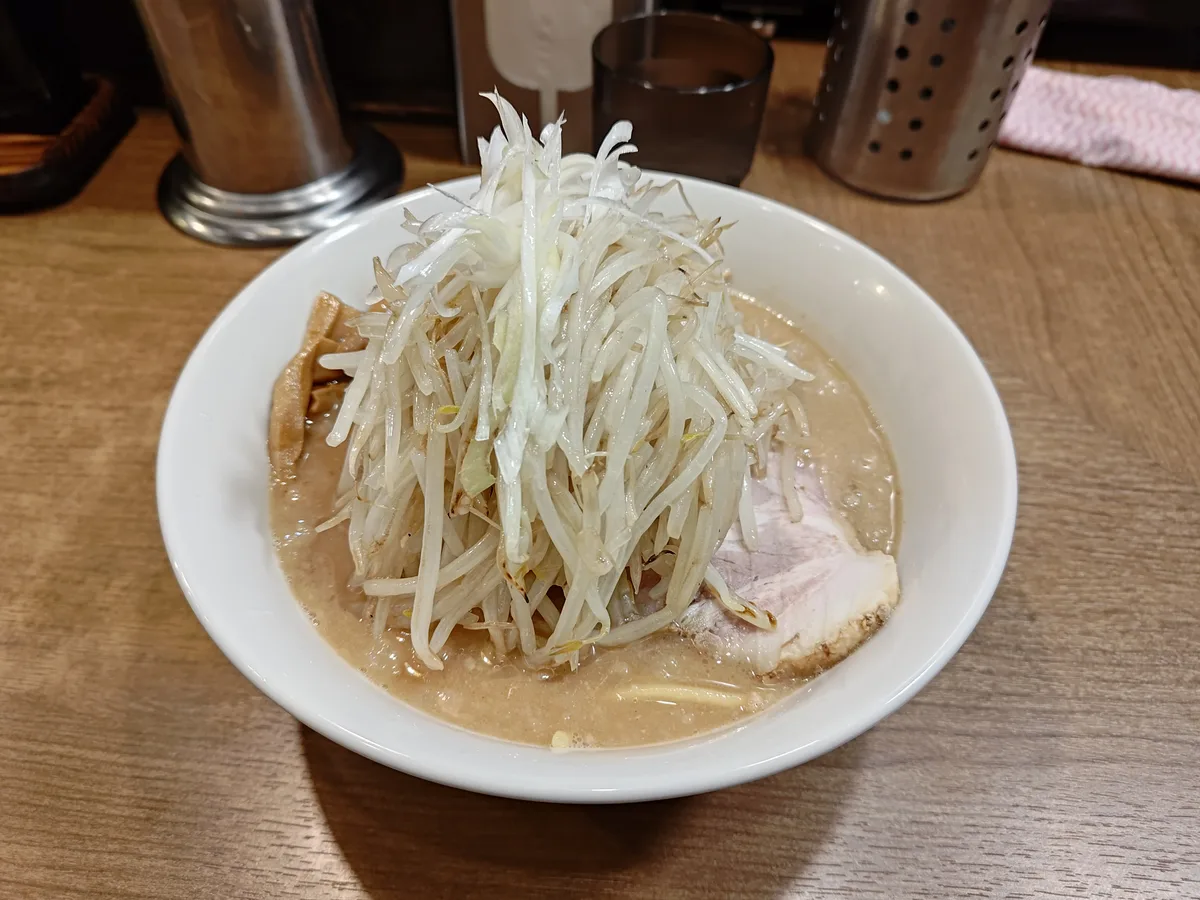
Miso Mendokoro Tasakaya at Ikebukuro West Exit features a rich soup made from white and red miso, creating a deep, stew-like umami. Medium-thick noodles are coated in this soup, topped with stir-fried vegetables and thick-cut chashu. The Ajitama Chashu Miso Ramen is 1350 yen, and a 100-yen half-rice is available for regulars to make into ojiya (porridge) at the end.
Visited & Verified by Our Team
Our editorial team actually visited the shop in May 2026 and experienced everything — from navigating the color-coded ticket-machine buttons to the tasting itself.
Sauvage in Minami-Ikebukuro offers creative ramen using 'jus' (French broth) made from three types of local chicken and aromatic vegetables. The dish shines with duck confit, low-temperature cooked meats, and the skillful preparation of four types of chashu. The signature Special Shio Ramen is 1600 yen, and monthly limited-time noodles feature creative dishes with a strong French influence. It's a unique choice for a 'slightly special bowl' after visiting Sunshine City.
Group B: For Experienced Diners Requiring a Call (Wizard) — 2 Shops
Kizunaya (★3 🧙 Wizard), ideally located just a 1-minute walk from Ikebukuro West Exit, is a specialty shop for rich tonkotsu shoyu ramen, following the direct lineage of Iekei. It has a unique ordering process requiring a 3-point 'call' when submitting your ticket (noodle hardness: kata/futsu/yawa; flavor strength: koime/futsu/usume; oil quantity: ooime/futsu/sukuname). For 250 yen, you get all-you-can-eat rice, and the shop's unique enjoyment is to create an 'infinite garlic bowl' with endless garlic, mayonnaise, and nori seaweed. Open late (until 1:45 AM on Fridays and Saturdays).
Rokubo Tantanmen (★3 🧙 Wizard) at Ikebukuro East Exit is a specialty shop for authentic Chinese-style Tantanmen. Its unique soup combines the richness of sesame, the aroma of chili oil, and the numbing sensation of Sichuan peppercorns, coating chewy noodles with a savory and spicy sauce. It has a unique ordering process requiring a 2-point 'call' when submitting your ticket: spiciness (karasa) level 1-5, and numbing sensation (shibire) level 1-5. Level 3 for both is recommended for first-time Japanese visitors; if you're not confident with spice, choose 1-2, and for an authentic experience, specify 4-5. Dishes include Japanese-style Soup-less Tantanmen for 1220 yen, Chengdu-style Soup-less Tantanmen, and Soup Tantanmen.
Group C: Choose by Business Hours/Location — 2 Shops
Hirochan Ramen! at Ikebukuro West Exit is a rare 24-hour establishment in Ikebukuro (catering from late night to early morning). Following the chan-kei (Kanda/Asakusa-style pork chintan ramen) lineage, its soup features a rich umami and a satisfying richness from the first bite. Chūka-soba is 950 yen, a valuable option for late-night ramen or early morning 'asa-ra' (morning ramen).
Menya Hulu-lu, a 10-minute walk from Fukutoshin Line C6 Exit/Ikebukuro Station West Exit, is known for its unique clear chicken chintan soup topped with minced meat. This creative shop offers homemade whole-wheat noodles fragrant with wheat and generously sized chashu, with seasonal limited-time offerings like 100-hour curry collaboration tsukemen and TKM (Tamago Kake Men). The 400-yen aedama (extra seasoned noodles) is also popular. Closed on Tuesdays, it's recommended for travelers using the Fukutoshin Line.
🔴🔴 Advanced ★4 — The Pinnacle of Ikebukuro's Ramen Battleground
There are 3 shops rated ★4. These pose a slightly higher hurdle for first-time visitors to Japan due to shorter business hours, mandatory verbal orders (calls), or more remote locations. However, they are highly recommended for experienced ramen enthusiasts who wish to experience the true prowess of Ikebukuro's ramen scene.
Japanese Ramen Gokan in Higashi-Ikebukuro is famous for its rich chintan ramen, a delightful blend of shellfish dashi and chicken oil. The integration of three types of chashu and meticulously crafted noodles is impressive, attracting a loyal fan base despite its price point of 2200 yen for Special Salt Ramen and Special Shoyu Ramen. Open for lunch only (11:30 AM to 3:00 PM), and closed on Mondays and Tuesdays, so planning your route with other shops requires care.
Ramen Jiro Ikebukuro East Exit Branch (★4 🧙🥷🥋 W+N+D) at Ikebukuro East Exit is one of the most famous Jiro-kei shops. Its signature features tonkotsu shoyu soup that varies between emulsified and non-emulsified, deep richness from pork back fat, thick wavy noodles, and flavorful pork. A verbal 'call' is mandatory, where you must specify increases or decreases for 'yasai' (vegetables), 'ninniku' (garlic), 'abura' (fat), and 'karame' (flavor intensity). Open for lunch only (11:00 AM to 3:30 PM) and closed on Tuesdays. Noodle portions can be chosen from 'sukuname' (less), 'hanbun' (half), or 'sonomama' (regular); 'sukuname' is recommended for first-timers.
Shinasoba Tanaka (★4 🥷 Ninja), about a 4-minute walk from Mukohara Station and 10 minutes from Higashi-Ikebukuro or Otsuka Stations, is a famous niboshi (dried sardine) ramen shop nestled in a residential area slightly away from Ikebukuro Station. It offers a unique, thick, rich, and mellow niboshi soup, distinct from the 'cement-style,' allowing you to enjoy the contrast between niboshi and truffle aromas. Ju-noko Niboshi Soba (heavy rich niboshi soba) is 950 yen, and Niboshi Truffle Soba is 950 yen. Its 'Ninja' classification is due to its somewhat hidden location.

Zack
Ramen Jiro Ikebukuro East Exit is especially popular among Tokyo's Jiro-kei shops, with long queues even on weekday afternoons. For verbal orders (calls), you can simply say 'zen-mashi' if you want everything extra, or 'sukuname' if you prefer smaller portions. Be aware it's closed on Tuesdays and only open for lunch. Gokan doesn't take reservations, but since the lunch window is short, lining up before opening is practical.
🧭🧭 Zone Guide by Exit — How to Use the East, West, and North Exits
Ikebukuro Station has four main exits: East, West, North, and South, each with a distinct character. Choosing shops based on your route to tourist attractions can be efficient.
🌅🌅 East Exit — The Ramen Battleground for Sunshine City and Otome Road
The East Exit is Ikebukuro Ramen's 'main battleground.' This area is a hub for tourism, shopping, and subculture, with attractions like Sunshine City, Otome Road, PARCO, and Yodobashi IKEBUKURO concentrated here. Nearly half of the 20 shops are located within a 5-minute walk from the exit: Tori no Ana, Mutekiya, Kikanbo Spicy Numbing Miso Ramen, Chisoumen Mamiana, Mendokoro Hanada Ikebukuro Branch, Mukan Ikebukuro, Rokubo Tantanmen, Sauvage, and Ramen Jiro Ikebukuro East Exit Branch.
For routes to Sunshine City (approx. 8 min walk), shops near the station are convenient on the way there, and Japanese Ramen Gokan near Higashi-Ikebukuro Station is a good option on the way back. Shops at the East Exit are also naturally along the route when returning from Otome Road (approx. 7 min walk, towards Higashi-Ikebukuro).
🎭🎭 West Exit — Department Stores, Art Theater, Nightlife
The West Exit area is home to Tobu Department Store, Tokyo Metropolitan Theatre, Ikebukuro Nishiguchi Park, Rosa Kaikan, and Nishi-Ichibangai (a nightlife district). It's a place where arts, culture, and nightlife coexist, with many shops open late.
Immediately outside the West Exit, Kizunaya (1 min walk) is appealing for its rich Iekei ramen and late-night hours (until 1:45 AM on Fridays and Saturdays). Similarly, Noodle Voice, a 3-minute walk from the West Exit, offers refined scallop paitan that fits the atmosphere after visiting the Tokyo Metropolitan Theatre. MENYA NAKAGAWA, Miso Mendokoro Tasakaya, and Hirochan Ramen! (24-hour) are also major shops in the West Exit area, all within a 5-minute walk.
Near Fukutoshin Line C6 Exit, Menya Hulu-lu (5 min walk) is popular for its unique chicken chintan. The West Exit area generally offers shops suitable for late-night ramen or after a night out.
For underground access directly connected to the station, Tokyo Underground Ramen Ganja in the Tobu Hope Center basement (below Tobu Department Store) is ideally located right by the ticket gates. It's a rare shop that's easy to enter even with luggage like suitcases, and on rainy days, you can reach it entirely indoors. It's also convenient for use before or after travel to Haneda or Narita airports.
🌃🌃 North Exit — A Hidden Bowl in the New Chinatown Area
Since the 1980s, the North Exit has been known as the 'New Chinatown' area, formed by Chinese newcomers. Reports from media like Nippon.com indicate that approximately 210 'gachi Chuka' (authentic Chinese) shops — including hot pot, Lanzhou ramen, lamb skewers, Sichuan cuisine, Northeastern Chinese dishes, and Chinese grocery stores — are scattered within walking distance from the North Exit to Kita-Ikebukuro. While not officially branded as 'Chinatown,' it's a unique zone where you can experience authentic Chinese noodle dishes, offering a food culture distinct from Japanese ramen. This location allows visitors to enjoy both simultaneously.
As for ramen shops featured on this site, only one is located here: Shinjiko Shijimi Chukasoba Kohaku Ikebukuro Branch (4 min walk), on the 1st floor of APA Hotel at the North Exit. It offers a gentle salt soba made with Shijimi clams from Shimane Prefecture's Lake Shinji, and with plenty of table seating, it's suitable for families and groups, also serving as a dining option for travelers staying at the North Exit. Travelers staying in the North Exit area have the rare advantage of being able to compare 'Japanese Ramen vs. Authentic Chinese Noodle Dishes' in one day, and exploring the New Chinatown on foot to discover your favorite shops is another way to enjoy this area.
🚇🚇 Higashi-Ikebukuro, Mukohara, Otsuka — Famous Shops in Slightly More Remote Locations
Walking from Ikebukuro Station towards Higashi-Ikebukuro, Mukohara, and Otsuka Stations reveals famous shops scattered away from the hustle and bustle of the main battleground. Shiosoba Senmonten Kuwabara is a 5-minute walk from Higashi-Ikebukuro Station, Japanese Ramen Gokan is a 9-minute walk towards Higashi-Ikebukuro, and Shinasoba Tanaka is a 4-minute walk from Mukohara Station. These locations are easy to incorporate into your itinerary after visiting Sunshine City.
📜📜 The Holy Land of the Tsukemen Boom — The Origin of Ikebukuro's Ramen Culture
The cultural background for Ikebukuro becoming a ramen battleground lies in its history as the starting point of the tsukemen boom. During his apprenticeship at Nakano Taishoken, Kazuo Yamagishi devised the eating style of 'dipping cold noodles into warm soup,' which he had consumed as a staff meal. In 1961, he opened his own shop, 'Higashi-Ikebukuro Taishoken,' in Higashi-Ikebukuro, and by commercializing this style as 'Tokusei Mori Soba,' it became the origin of the modern tsukemen boom. Kazuo Yamagishi is sometimes referred to by overseas media as the 'God of Ramen' or the 'Godfather of Tokyo Ramen' (Higashi-Ikebukuro Taishoken is not featured on this site).
The disciples of Higashi-Ikebukuro Taishoken formed the 'Taishoken Norenkai' (Taishoken Banner Association) and spread tsukemen culture nationwide. The renowned tsukemen shops in Ikebukuro featured on this site, Chisoumen Mamiana and Tokyo Underground Ramen Ganja, are positioned as modern representative shops that have inherited and evolved this Ikebukuro tsukemen culture.
Another background is Ikebukuro's history of developing as a student town. With Rikkyo University and several other universities and vocational schools in the vicinity, a fiercely competitive area has formed where only ramen shops offering great taste and value for money can survive. Rather than flashiness for tourists, the rigor of being refined as an everyday meal for students and local residents has contributed to the quality of Ikebukuro ramen.
Ren
If you're doing a pilgrimage to the birthplace of tsukemen in Ikebukuro, you can't miss Chisoumen Mamiana and Ganja as modern inheritors and contemporary interpretations of the style, in addition to Higashi-Ikebukuro Taishoken (not featured on this site). The rich seafood tsukemen at both shops represents one of the pinnacles of modern tsukemen, evolving Kazuo Yamagishi's lineage in a different direction.
🎮🎮 Dining Along Your Anime Pilgrimage Route
Ikebukuro is sometimes referred to by overseas media as 'Akihabara for girls,' and it boasts a strong identity as a center for anime and subculture, featuring Otome Road, Pokémon Center MEGA TOKYO, Evangelion Store TOKYO-01, Animate Main Store, and J-WORLD TOKYO (within Sunshine City). Below, we organize combinations of tourist routes and ramen shops.
| Tourist Spot | Easily Accessible Shops by Foot | Combination Notes |
|---|---|---|
| Sunshine City (Aquarium, Planetarium) | Japanese Ramen Gokan | 9 min walk behind Sunshine City, lunch only |
| Pokémon Center MEGA TOKYO (inside Sunshine City) | Chisoumen Mamiana | Sunshine City → convenient on the way back to East Exit |
| Otome Road, Animate Main Store | Mukan Ikebukuro | Within walking distance of Otome Road, towards Minami-Ikebukuro |
| Evangelion Store TOKYO-01 (PARCO) | Mendokoro Hanada Ikebukuro Branch | Near PARCO, satisfying miso ramen |
| Tokyo Metropolitan Theatre, Ikebukuro Nishiguchi Park | Noodle Voice | After Tokyo Metropolitan Theatre, a refined bowl |
| Tobu/Seibu Department Store Shopping | Tokyo Underground Ramen Ganja | Tobu Hope Center basement, directly connected to the station |
👨👩👧👨👩👧 Shops Easy for Families and Groups to Enter
While many shops in Ikebukuro primarily have counter seating, some also offer table seats, making them suitable for groups of 3-4 people or families.
About Seating Capacity Notation
For shops noted with 'table seating available,' this site does not have exact seating capacity data. Please check the 'Seating' section on each shop's page or the shop's official information for specific details (e.g., number of tables for X people).
| Shop | Counter Seats | Table Seats | Notes |
|---|---|---|---|
| Shinjiko Shijimi Chukasoba Kohaku Ikebukuro Branch | 4 seats | 5 tables | Most table seating among Ikebukuro's 20 shops, family-friendly due to APA Hotel 1F location |
| Tokyo Underground Ramen Ganja | 12 seats | Table seating available | Rare combination of direct station access + table seating |
| Noodle Voice | 9 seats | Table seating available | Spacious layout, easy for groups of 2-3 to enter |
| Hirochan Ramen! | 16 seats | 2 tables | Open 24 hours, also suitable for late-night ramen for families |
| Menya Hulu-lu | 5 seats | 2 tables | Hidden gem but accommodates small groups |
🏨🏨 Staying in Ikebukuro — A Relatively Affordable Base Among the Yamanote Line's Three Sub-Centers
Ikebukuro is one of Tokyo's three sub-centers, alongside Shinjuku and Shibuya, and is often described in multiple English reviews, such as Tripadvisor's 'Stay in Ikebukuro vs. Shinjuku or Shibuya' thread, Tokyo Cheapo's Ikebukuro area guide, and Said Karlsson's Tokyo accommodation area comparison article, as the 'most affordable accommodation option among the three sub-centers.' Specific prices vary by season and hotel rank, so always compare multiple sites when booking. With access to the Yamanote Line, Fukutoshin Line, and Marunouchi Line, it's an excellent choice as a base for Tokyo sightseeing.
Source for Accommodation Prices
The descriptions regarding accommodation costs in this article are a compilation of English travel reviews, including the Tripadvisor thread 'Stay in Ikebukuro vs. Shinjuku or Shibuya,' Tokyo Cheapo's 'Ikebukuro Area Guide,' and Said Karlsson's 'The best area to stay in Tokyo.' This reflects trends in subjective evaluations by multiple travelers, rather than concrete statistical data.
Recommended Areas by Location
| Area | Characteristics | Main Nearby Ramen Shops |
|---|---|---|
| East Exit (walking distance to Sunshine City) | For anime, tourism, and families; e.g., Sunshine City Prince Hotel | Tori no Ana, Mutekiya, Kikanbo, Chisoumen Mamiana |
| West Exit (near Tokyo Metropolitan Theatre, Nishiguchi Park) | Quiet, arts-oriented; e.g., Hotel Metropolitan Tokyo Ikebukuro | MENYA NAKAGAWA, Noodle Voice, Kizunaya |
| Station-direct hotels | For travelers with lots of luggage, direct access to JR, Seibu, Tobu lines | Tokyo Underground Ramen Ganja (direct station access) |
| Kita-Ikebukuro/Otsuka walking distance | Even cheaper than near the station; access Ikebukuro via Yurakucho Line or Marunouchi Line subways | Shinjiko Shijimi Kohaku (North Exit) |
Hotels Within a 5-Minute Walk of Ramen Shops
The Ikebukuro area has many hotels within a 5-minute walk of the station, making it easy to pair with ramen shops open late. The ability to walk back to your hotel after a late-night ramen is a great value for international travelers.
Accommodation Booking
You can search for accommodation in the Ikebukuro area on various booking sites (e.g., Booking.com, Agoda, Trip.com) by area. Specific links will be added in the future.
Sophia
The biggest appeal of staying in Ikebukuro is the triple threat of 'cost-performance x walking distance to station x high density of ramen shops.' It's easy to plan a simple itinerary: after a day of fun at Sunshine City, dinner at a ramen shop within a 5-minute walk of your hotel. It's a city you can use without hesitation, even with family.
❓❓ Frequently Asked Questions
QAre ramen shops in the Ikebukuro area open late at night?
Representative late-night shops include Mutekiya (10:30 AM – 3:30 AM the next day), Hirochan Ramen (24-hour), and Kizunaya (until 1:45 AM on Fridays and Saturdays). While not as many as Shinjuku or Shibuya, there are enough options for late-night dining.
QWhich shops have English menus?
Most of Ikebukuro's 20 shops use a ticket machine (kenbaiki) system, and English menu availability varies by shop. Tourist-friendly options include Chisoumen Mamiana (full payment support), Shinjiko Shijimi Kohaku (a relaxed shop at the North Exit), and Mutekiya (a classic open until late night). Please check each shop's page for the latest information.
QWhich shops accept cashless payments?
Among Ikebukuro's 20 shops, Chisoumen Mamiana is the only one offering full payment support (cash/QR/e-money/card). Tokyo Underground Ramen Ganja accepts e-money. All others are cash-only, so it's advisable to prepare 1000-yen bills and coins.
QWhich shops offer Halal or Vegan options?
None of the 20 ramen shops featured on this site in Ikebukuro currently offer Halal or Vegan options. While there are scattered Halal shops in the Ikebukuro area such as Gyumon Ikebukuro (Halal Wagyu Ramen), Halal Wagyu Ramen Shinjuku-Tei, and Malay-Chan (Malaysian cuisine), and Hotel Metropolitan's Keirin (Sichuan cuisine with vegan options), they are not featured on this site.
If you wish to find Halal or Vegan-friendly ramen at shops featured on this site, we recommend utilizing the Shibuya Area Guide (which lists multiple dietary restriction-friendly shops) as Shibuya is easily accessible from Ikebukuro via the Fukutoshin Line, a direct ride of about 11 minutes and approximately 230 yen. It's well within easy reach.
QWhich shops are closest to Sunshine City or Otome Road?
From Sunshine City (approx. 8 min walk from East Exit), Japanese Ramen Gokan (9 min walk from Higashi-Ikebukuro, lunch only) and Chisoumen Mamiana (convenient on the way back towards the East Exit) are handy. From Otome Road (towards Higashi-Ikebukuro), Mukan Ikebukuro and Shiosoba Kuwabara are within walking distance.
QWhich shops are convenient if I have a lot of luggage?
Tokyo Underground Ramen Ganja, located in the Tobu Hope Center basement, can be reached entirely indoors from the Ikebukuro Station West Exit ticket gates. It's a rare and convenient location, easy to enter even with suitcases, and you can enjoy your meal without getting wet on rainy days. It's also handy for use before or after travel to Haneda or Narita airports.
🛠️🛠️ Practical Information — To Enjoy Ikebukuro Ramen
Cash/Cashless Payment Options
Most of Ikebukuro's 20 shops are cash-only. Only Chisoumen Mamiana offers full payment support (QR/e-money/card), and Tokyo Underground Ramen Ganja accepts e-money. It's safest to always have small bills (1000-yen notes) and coins ready.
Times to Avoid Crowds
To avoid crowds, aim outside peak hours (weekdays 12:00-1:30 PM, weekends 11:30 AM-2:30 PM). Weekday afternoons after 2 PM or evenings around 6:30 PM-8 PM tend to have shorter lines. For late-night shops, however, they can get busy after 8 PM, so after 10 PM is a good time to aim for.
Rainy Day Options
On rainy days, Tokyo Underground Ramen Ganja (Tobu Hope Center basement), directly connected to the station, is accessible entirely indoors. Shinjiko Shijimi Kohaku on the 1st floor of APA Hotel at the North Exit is also nearby, allowing you to move around without an umbrella.
Luggage Storage
Ikebukuro Station has numerous coin lockers (around each JR, Tobu, Seibu, and subway ticket gate). Large lockers suitable for suitcases are concentrated near the East and West Exit main ticket gates. This structure makes it easy to dine before or after airport access.
About Business Hours and Closing Days
Business hours and closing days in this article are reference information as of the curation date. Before your actual visit, please always check the latest information on each shop's page or their official social media.
🚆🚆 Triple Ramen Trail — Yamanote Line Three Sub-Center Hopping Plan for Shibuya, Shinjuku, and Ikebukuro
Ikebukuro is closely connected to Tokyo's three sub-centers: Shinjuku is 9 minutes away by Yamanote Line, and Shibuya is 16 minutes (11 minutes by direct Fukutoshin Line). Here's a model course to enjoy ramen while hopping between all three areas in one day.
🟫Course: Traverse 3 Areas via Fukutoshin Line (Half Day)
- 11:00 AM — Start in Ikebukuro: Enjoy Ikebukuro's rich seafood tsukemen at Chisoumen Mamiana
- 12:30 PM — Fukutoshin Line from Ikebukuro to Shinjuku-sanchome (approx. 7 min direct): Sightseeing in Shinjuku area (Shinjuku Gyoen, Kabukicho, etc.)
- 3:00 PM — Shinjuku-sanchome to Shibuya (approx. 8 min direct via Fukutoshin Line): Shibuya sightseeing, then choose a dietary restriction-friendly shop from the Shibuya Area Guide for dinner
- 8:00 PM — Shibuya to Ikebukuro (approx. 16 min direct via Fukutoshin Line): Return to your accommodation in Ikebukuro, and finish the day with ramen at Hirochan Ramen! (24-hour)
The Fukutoshin Line connects Ikebukuro, Shinjuku-sanchome, and Shibuya directly, requiring no transfers. The total cost is around 400 yen with Suica/PASMO. It offers fewer transfers than the Yamanote Line and is a rain-resistant route through underground passages.
Related Articles: Complete Guide to Shinjuku Ramen — Diverse Hours from Morning Ramen to Late-Night. Shibuya Ramen Guide — Dietary Restriction Friendly, Late-Night, New Generation Styles. Reading all three articles together will give you a three-dimensional view of the differences in ramen culture across Tokyo's three sub-centers.
🎯🎯 One Last Look — Quick Paths for 5 Different Scenarios
🌱First-time visitor to Japan, don't want to make a mistake
The Shinjiko Shijimi Chukasoba Kohaku Ikebukuro Branch (★1, 5 tables) on the 1st floor of APA Hotel at the North Exit is a safe bet. Its gentle salt soba can be enjoyed to the last drop, making it a reliable choice for first-time visitors to Japan.
🏙️After Sunshine City Sightseeing
Japanese Ramen Gokan (★4) is a famous shop, a 9-minute walk from Sunshine City, open for lunch only. Recommended for experienced ramen eaters. For families, Chisoumen Mamiana (★2) is easily accessible on the route back to the East Exit.
🎮During Otome Road / Anime Pilgrimage
Mukan Ikebukuro's Oyster Shio Ramen (★3) is easy for solo women to enter and very photogenic for social media. Alternatively, try a light tori-paitan at Tori no Ana (★1).
🌙Late-night / After a Night Out
Mutekiya (10:30 AM – 3:30 AM the next day) or Hirochan Ramen! (24-hour). Kizunaya is open until 1:45 AM on Friday and Saturday nights.
🏆If You Can Only Choose One (for Experienced Diners)
To experience the true prowess of Ikebukuro ramen, we recommend Japanese Ramen Gokan (★4, lunch only, closed Mon/Tue) or Shinasoba Tanaka (★4 Ninja, near Mukohara Station). For niboshi, Tanaka's thick and rich truffle-infused soup is a must-try, while Gokan's shellfish dashi chintan is highly recommended.
✅Verified by Real Humans
The information in this guide is based on curation from each shop's official information, social media, review sites, and some on-site verification. While we take great care to ensure accuracy, business hours, closing days, menu prices, etc., may change. Before your actual visit, please always check the latest information on each shop's page or official social media.
🍜🍜 Summary
Ikebukuro is a unique area among Tokyo's three sub-centers, offering the best cost-performance, a history as the birthplace of tsukemen, and a convergence of anime and subculture centered around Otome Road and Sunshine City. The 20 shops featured on this site range widely from ★1 to ★4, catering to both first-time visitors to Japan and experienced ramen enthusiasts. Whether you combine it with anime pilgrimage or sightseeing, use it for a late-night ramen, or hop between the three Yamanote Line sub-centers with Shinjuku and Shibuya, you're sure to find the perfect bowl for your Tokyo trip.
See all shops in Ikebukuro area | Shinjuku Area Guide | Shibuya Area Guide
"We don't let AI eat ramen. We use AI to draw the coolest map so adventurers worldwide can find the real treasure hidden in Japan's back alleys."
Made in Japan — with local knowledge & AI assistance