Complete Guide to Shinjuku Ramen — 20 Shops to Navigate the Labyrinthine Station, from Morning Ramen to Late-Night Closers
From asa-ra (morning ramen) to late-night shime ramen (ramen to conclude a night of drinking) in Shinjuku, Tokyo's tourist hub. A guide to 20 shops to conquer the labyrinthine station.


📖What You'll Find in This Guide
- Which shops can you reach from which Shinjuku Station ticket gate and exit?
- Which shops are within walking distance from your accommodation area?
- Are there "asa-ra" (morning ramen) spots available from 7 AM?
- Which 24-hour or late-night shime ramen spots are open until the early morning?
- Which renowned, reservation-only shops can be booked from overseas?
- Which shops offer English menus and cashless payment for a worry-free visit?
⚡If You're Lost — Shinjuku Ramen Quick Reference
| Scenario | Shop | Difficulty | Key Point |
|---|---|---|---|
| For First-Time Visitors to Japan | Misoya Hachiro Shoten / Fuunji / Menya Sho Honten | ★1 | English & payment friendly◎, 3 shops with fewer unique rules, hard to go wrong |
| 30 Seconds from Shinjuku Station Southeast Exit | Menya Kaijin | ★2 | Salt ramen made with fish bone broth, open until late 11 PM |
| Morning Ramen at 7 AM | Sarusuberi | ★2 | Directly connected to Shinjuku-sanchome Station C2, Niboshi Shoyu (dried sardine soy sauce) ramen |
| 24-Hour Late-Night Closer | Nagi Golden-Gai Main Branch | ★2 | For a shime ramen after drinking in Golden-Gai |
| Full English & QR Support | Misoya Hachiro Shoten | ★1 | Miso ramen with black garlic oil, Alipay/WeChat Pay available |
| Reservations OK from Overseas | Ramenya Shima | ★3 | TableCheck supports 18 languages, no phone call needed |
| Shinjuku's Established Powerhouse | Fuunji Shinjuku Honten | ★1 | Hyakumeiten (Top 100 Shops), Gyokai Tori Paitan Tsukemen (seafood and chicken paitan dipping noodles) |
| If You Only Choose One Bowl | Ramenya Shima | ★3 | Highest quality if you can get a reservation. If not, go to Fuunji |
About Information Sources
Information in this article is based on curation from official websites, social media, review sites, and some on-site verification. While utmost care has been taken for accuracy, please check each shop's page for the latest information before visiting.
🏙️Shinjuku — Tokyo's Tourist Hub, 24-Hour City, Labyrinthine Station
For many foreign visitors, Shinjuku is chosen less as a "place to sightsee" and more as a "base in Tokyo." It's a direct 90-minute ride from Narita Airport on the N'EX and a single limousine bus from Haneda. Shinjuku Station, where over 10 lines converge (including JR Yamanote Line, Chuo Line, Sobu Line, Odakyu, Keio, Tokyo Metro, Toei Subway, and Seibu), is the world's busiest terminal, with over 3.5 million passengers daily. Many travelers stay in hotels here, making day trips to Asakusa, Shibuya, Harajuku, Ginza, Kamakura, and Nikko, returning to Shinjuku at night.
As a result of this location, ramen in Shinjuku is often enjoyed not as a "tourist meal" but as a convenient stop during daily commutes. Perhaps before heading to Asakusa in the morning, at a shop near the hotel. Or after returning from Nikko in the evening. Or a late-night shime ramen after a bar crawl in Golden-Gai. Of course, ramen shops aren't specifically catering to tourists; it's simply that Shinjuku is a city with many early-morning workers, late-night commuters, and nightlife enthusiasts, leading to a wide range of operating hours. This, however, is a great benefit for travelers.
Shinjuku operates 24 hours a day because the huge station serves as a hub, attracting demand for all hours: early morning shifts, late-night returns, nightlife patrons, drivers, and more. Long-standing shops opening at 7 AM, office districts bustling at lunchtime, late-night shime ramen spots, and 24-hour establishments in Golden-Gai — it's rare even in Tokyo for one area to have such diverse operating hours.
However, Shinjuku Station is a massive labyrinth even for Japanese people. There are over 10 ticket gates and more than 100 exits, with confusing names like "West Exit," "East Exit," "South Exit," "New South Exit," "Southeast Exit," and "Koshu Kaido Gate." What's even more confusing are the nearby, separate stations: "Shinjuku-sanchome Station," "Seibu-Shinjuku Station," "Shinjuku-nishiguchi Station," and "Nishi-Shinjuku Station." One wrong exit can easily lead to a 20-minute detour to reach your destination.
This guide clearly specifies for each of the 20 shops "which station exit to use and from where to walk." It provides methods to walk from your accommodation area, time-specific plans for morning, noon, evening, and late-night, and above all, a strategy map to "navigate the labyrinthine station without getting lost." Find the perfect bowl for your Tokyo base.

Ren
Shinjuku ramen shops often stand quietly at the 'entrances and exits' of your journey, rather than being the main destination. A bowl before heading to Asakusa in the morning. A bowl after returning from Nikko. A shime ramen after drinking in Golden-Gai. As a result, ramen appears throughout your day in this city, and the longer your stay, the more different shops you can explore.
🔄Tokyo's West Loop Trio — How to Use Shibuya, Shinjuku, and Ikebukuro
Shibuya, Shinjuku, and Ikebukuro are Tokyo's three major sub-centers, linked along the western half of the Yamanote Line. Each has a similar yet distinct character, and the optimal area depends on your travel style and purpose. The table below outlines the ramen culture trends of the three areas. At the end of the article, the "Triple Ramen Trail" section introduces a model course for ramen-hopping across all three areas in one day.
Based on shops listed on this site
The figures in the comparison table reflect trends among shops listed on this site (20 shops each in Shibuya, Shinjuku, and Ikebukuro) and do not represent all shops in each area.
| Category | Shibuya | Shinjuku | Ikebukuro |
|---|---|---|---|
| City Character | Youth culture, tourism, trends | Tokyo's largest terminal, 24-hour city | Third of 3 sub-centers, cost-performance, anime pilgrimage site |
| Customer Base | Youth, tourists, international travelers | Business travelers, tourists, locals, nightlife crowd | Students, otaku culture crowd, families, commuters from Saitama |
| Accommodation Cost (Trend) | Higher | Medium to High | Lower (lowest among 3 sub-centers) |
| Tourism Links | Shibuya Scramble Crossing, Harajuku, Daikanyama | Tokyo Metropolitan Government Building, Shinjuku Gyoen, Kabukicho, Golden-Gai | Sunshine City, Otome Road, Pokémon Center |
| Food Specialties | Dietary restriction friendly, late-night, new-generation styles | Diverse operating hours from morning to late night | Birthplace of tsukemen, intense ramen competition, cost-performance |
| Atmosphere | Trendy, youthful, fast-paced | Massive, multi-faceted, labyrinthine station | Casual, relaxed, subculture hub |
| Representative Theme | Behind the world's busiest intersection | Navigating the labyrinthine station without getting lost | Eating tsukemen in the anime pilgrimage site where it was born |
| Travel Style | Shibuya | Shinjuku | Ikebukuro |
|---|---|---|---|
| First time in Tokyo / Tourism focus | ◎ | ◎ | ○ |
| Anime / Subculture focus | ○ | ○ | ◎ |
| Family-friendly / Relaxation focus | △ | ○ | ◎ |
| Dietary restrictions (Halal / Vegan) | ◎ | ○ | ○ |
| Late-night shime ramen focus | ○ | ◎ | ○ |
| Experience tsukemen / Ramen battleground | ○ | ○ | ◎ |
| Minimize accommodation costs | △ | ○ | ◎ |
🗺️Shinjuku Ramen: All 20 Shops Map
Here is a list of 20 shops introduced on this site within the Shinjuku area (including Kabukicho, Nishi-Shinjuku, Shinjuku-sanchome, and South Exit surroundings). Tap a shop name to go to its detailed page, where you can check business hours, ordering methods, and reviews.
Tap/Click Shop Names
Each shop name is a link. Tap or click to jump to the shop's detailed page (business hours, ordering guide, reviews, etc.).
About Payment Methods
Payment methods may change at the discretion of the shops. Please check each shop's page for the latest information before visiting.
How to read Special Classes
🧙 Wizard = Shops that require specific knowledge to order (e.g., Ramen Jiro). 🥷 Ninja = Hidden gems with hard-to-find entrances or locations. 🥋 Dojo = Famous shops with unique rules.
🗾 Shinjuku Ramen Map
| Shop | Difficulty | Style | Payment |
|---|---|---|---|
| Menya Sho Honten | ★1 | Shamo Shio (Gamefowl Salt Ramen) | Cash only |
| Fuunji Shinjuku Honten | ★1 | Gyokai Tori Paitan Tsukemen | See shop page |
| Misoya Hachiro Shoten | ★1 | Miso, Black Garlic Oil | Cashless available |
| Tsukemen Gonokami Seisakusho | ★1 | Ebi Tsukemen (Shrimp Dipping Noodles) | Cash only |
| Menya Kaijin Shinjuku-ten | ★2 | Fish Bone Broth Salt Ramen | Cash only |
| Menya Sho Misodokoro | ★2 | Miso | Cash only |
| Niboshi Chukasoba Suzuran | ★2 | Niboshi Shoyu (Dried Sardine Soy Sauce) | Cash only |
| Ramen Kurouzu | ★2 | Tori Chintan Shoyu (Clear Chicken Soy Sauce) | Cash only |
| Ramen Hosenka | ★2 | Kinmedai Shio (Splendid Alfonsino Salt) | Cash only |
| Sarusuberi | ★2 | Niboshi Shoyu (Dried Sardine Soy Sauce) | Cashless available |
| Ramen Horiuchi Shinjuku Honten | ★2 | Shoyu / Zaru (Dipping Noodles) | Cash only |
| Menya Garon | ★2 | Mukachō Shoyu (No Chemical Seasoning Soy Sauce) | Cash only |
| Chukasoba Rukawa | ★2 | Gyokai Kai Chintan (Beef & Shellfish Clear Soup) | Cash only |
| Sugoi Niboshi Ramen Nagi | ★2 | Rich Niboshi (Dried Sardine) | Cash only |
| Ramen Manrai | ★3 | Shoyu / Zaru (Dipping Noodles) | Cash only |
| Shin-chan Ramen | ★3 | Chan-kei Shoyu (Chan-style Soy Sauce) | Cashless available |
| Ramenya Shima | ★3 | Shio / Shoyu / Shiro Shoyu (Salt / Soy Sauce / White Soy Sauce) | Cash only |
| Inose | ★4 | Kombusui Tsukemen (Kelp Water Dipping Noodles) | Cashless available |
| Ramen Jiro Shinjuku Kabukicho | ★4 | Jiro-style | Cash only |
| Seimen Labo | ★4 | Fish Broth / Tsukemen | Cash only |

Dr. Hiro
The 20 shops in Shinjuku are distributed across ★1 to ★4. There are 4 shops at ★1, 10 at ★2, 3 at ★3, and 3 at ★4. For your first bowl, it's safest to choose from ★1, and once you're comfortable, you can challenge the ★3 to ★4 renowned shops. The breakdown of difficulty levels is organized by shop in the next section.
🚉Conquering Shinjuku Station — How to Reach Your Ramen Shop
Shinjuku Station is a gigantic labyrinth where even Japanese people navigate with Google Maps. The first two things to grasp are "which station to exit from" and "which ticket gate and exit to use." This section will show the optimal exit for each of the 20 shops.
🧭Confusingly Named "Shinjuku" Stations
Around Shinjuku Station, there are several distinct stations with similar names. When searching for your destination on Google Maps, please verify the station name precisely.
⚠️Other Stations with Similar Names
- JR, Odakyu, Keio, Tokyo Metro Marunouchi Line "Shinjuku Station" — This is the main, gigantic Shinjuku terminal.
- Toei Oedo Line "Shinjuku Station" — Shares the name, but treated as a separate station connected to JR Shinjuku Station via an underground passage. A shortcut towards the South Exit area.
- Toei Oedo Line "Shinjuku-Nishiguchi Station" — Very close to Seibu-Shinjuku Station. Different from "Shinjuku Station." Nearest to Chukasoba Rukawa and Misoya Hachiro Shoten.
- Tokyo Metro Marunouchi Line "Nishi-Shinjuku Station" — One stop west from Shinjuku Station. Nearest to Menya Sho Misodokoro and Menya Sho Honten.
- Toei Oedo Line "Nishi-Shinjuku 5-chome Station" — Further west. Nearest to Ramenya Shima and Seimen Labo.
- Seibu Shinjuku Line "Seibu-Shinjuku Station" — Northern end of Kabukicho. Nearest to Ramen Jiro Shinjuku Kabukicho.
- Tokyo Metro Marunouchi Line, Fukutoshin Line, Toei Shinjuku Line "Shinjuku-sanchome Station" — Isetan department store area. Nearest to Sarusuberi, Suzuran, and Kurouzu.
🎯Quick Reference for Nearest Station & Exit by Shop
This information for ticket gates and exits helps you reach each shop via the shortest route. For shops not nearest to JR Shinjuku Station, using the alternative station is recommended.
| Shop | Nearest Station/Exit | Walk |
|---|---|---|
| Menya Kaijin Shinjuku-ten | JR Shinjuku Station Southeast Exit | 30 sec |
| Sarusuberi | Shinjuku-sanchome Station C2 Exit | Directly connected to station (0 min) |
| Ramen Jiro Shinjuku Kabukicho | Seibu-Shinjuku Station North Exit | 1 min |
| Chukasoba Rukawa | Toei Oedo Line Shinjuku-Nishiguchi Station | 1 min |
| Inose | Toei Oedo Line Shinjuku Station | 2 min (JR South Exit 7 min) |
| Niboshi Chukasoba Suzuran | Shinjuku-sanchome Station | 2 min |
| Ramen Kurouzu | Shinjuku-sanchome Station | 2 min |
| Ramen Horiuchi Shinjuku Honten | JR Shinjuku Station West Exit | 3 min |
| Menya Sho Misodokoro | Tokyo Metro Nishi-Shinjuku Station | 3 min |
| Shin-chan Ramen | JR Shinjuku Station Southeast Exit | 3 min |
| Tsukemen Gonokami Seisakusho | Shinjuku-sanchome Station E7 Exit | 3 min (JR New South Exit 4 min) |
| Misoya Hachiro Shoten | Toei Oedo Line Shinjuku-Nishiguchi Station | 4 min |
| Ramen Manrai | JR Shinjuku Station West Exit | 5 min |
| Menya Garon | JR Shinjuku Station East Exit | 7 min (Shinjuku-sanchome Station 5 min) |
| Sugoi Niboshi Ramen Nagi | Shinjuku-sanchome Station E2 Exit | 3 min (JR East Exit 6 min) |
| Seimen Labo | Toei Oedo Line Nishi-Shinjuku 5-chome Station A2 | 6 min |
| Fuunji Shinjuku Honten | JR Shinjuku Station South Exit Area (Underground) | Several min |
| Ramen Hosenka | Seibu-Shinjuku Station / JR East Exit (within Kabukicho) | Within Kabukicho |
| Menya Sho Honten | Tokyo Metro Nishi-Shinjuku Station (back alley) | Several min |
| Ramenya Shima | Toei Oedo Line Nishi-Shinjuku 5-chome Station | Several min |
On rainy days, use the underground passages
JR Shinjuku Station's underground passages allow you to move between the West, East, South, and New South exits without an umbrella. The East Exit to South Exit, in particular, are connected by the underground shopping malls "Subnade" and "Metro Promenade," making it easier to navigate underground than above ground on heavy rain days.
If you get lost, ask at a Koban (police box)
There are Koban (police boxes) at Shinjuku Station's East, West, and South exits. Information counters (multi-language support) are also available throughout the station, so don't hesitate to ask if you're in trouble. If you tell them the shop name, e.g., "○○ Ramen," they often provide a map.

Zack
Shinjuku Station's biggest trap is that the "East Exit" and "Southeast Exit" are different things. Also, the JR ticket gate for the West Exit and the Oedo Line's "Shinjuku-Nishiguchi Station" are completely separate. When searching on Google Maps, the fastest way is to search by shop name and follow the route guidance. Trust the exit numbers, don't rely on cardinal directions.
🏘️Walking from Your Accommodation — Zone-Specific Guide
Shinjuku is one of Tokyo's most popular accommodation areas. "Walkable shops" change depending on your hotel's location. Here, we introduce 20 shops divided into 5 zones. The most convenient shop will vary based on where in Shinjuku you're staying.
🏢Zone 1: Nishi-Shinjuku (Tokyo Metropolitan Government Building / High-Rise Hotels Side) — City of Long-Established and Miso Ramen
The Nishi-Shinjuku area is home to the Tokyo Metropolitan Government Building, Shinjuku Central Park, high-rise office buildings, and luxury hotels. It's suitable for business travelers or those seeking a quieter stay, with long-established ramen shops born from the office district's lunch culture. If you're staying in this area, you can access multiple famous shops just by walking on the west side of the station.
First, Ramen Horiuchi Shinjuku Honten, a long-established shop open for over 30 years, is a 3-minute walk from JR Shinjuku Station West Exit. Their signature "Zaru Ramen" (tsukemen, or dipping noodles) features an exquisite combination of chicken and pork bone-based shoyu (soy sauce) tare and flat, wavy noodles. Open from 8 AM to 11 PM, it's perfect for anything from an early morning bowl to a late-night shime.
Right next door, a 5-minute walk from JR West Exit, Ramen Manrai is the "original shop" from which Horiuchi branched off. Even a regular serving here has 1.5 to 2 times the noodle quantity of a typical ramen, and it's a hearty bowl with generous slices of thick chashu (braised pork belly). Both are open until 11 PM.
Menya Sho Misodokoro, a 3-minute walk from Nishi-Shinjuku Station (Tokyo Metro Marunouchi Line), is a miso-specialized branch of the popular "Menya Sho." It offers a unique bowl with a rich white miso-based soup topped with grated fresh ginger, and you can choose the spiciness level from 1 to 6.
In the same Nishi-Shinjuku back alleys, you'll find Menya Sho Honten, whose signature dish is shio (salt) ramen that highlights the umami of shamo (gamecock). It's a bit of a walk from the station, but it's a hidden gem with fewer queues.
Very close to Toei Oedo Line Shinjuku-Nishiguchi Station (※ a different station from JR Shinjuku Station) are Chukasoba Rukawa, featuring a "Gyokai Kai Chintan" (clear soup with beef bone and shellfish dashi), and Misoya Hachiro Shoten Shinjuku-ten, known for its miso ramen infused with black garlic oil. Hachiro Shoten also supports Alipay and WeChat Pay, making it a reliable choice for international cashless users.
For those staying in this area
For those staying in high-rise hotels around the Tokyo Metropolitan Government Building and Nishi-Shinjuku, you can visit multiple shops within walking distance during your stay: "Horiuchi" for breakfast from 8 AM, "Sho Honten" or "Misodokoro" for a business lunch, and "Manrai" or "Hachiro Shoten" for a late-night meal.
🎭Zone 2: East Exit, Kabukicho, Golden-Gai — Late-Night Closers and Unique Shops
The East Exit is the gateway to Shinjuku's entertainment district. Kabukicho, Golden-Gai, and Omoide Yokocho spread out, making it Japan's largest nightlife area and increasingly popular with foreign tourists. With new hotels like Tokyu Kabukicho Tower, it's also a lodging hub. This area boasts shops open late into the night and those where you can enjoy a unique atmosphere.
A true symbol of Golden-Gai is Sugoi Niboshi Ramen Nagi Shinjuku Golden-Gai Main Branch. This 24-hour specialty shop serves rich niboshi (dried sardine) ramen, with its white lantern hanging on the second floor of G2 Street. A bowl featuring over 20 types of blended dried sardines offers a quintessential Shinjuku experience, integrated with Golden-Gai's deep atmosphere. It's a classic spot for late-night ramen after bar-hopping.
Also tucked away on a Golden-Gai side street is Menya Garon. This shop, dimly lit by skull-shaped lights and renovated from the first floor of a bar, is famous for its "Nira Ramen" (chive ramen) made with a whole bunch of chives. It features a mukachō (no chemical seasoning) light soy sauce soup, and its non-ramen-shop-like ambiance is striking.
Ramen Jiro Shinjuku Kabukicho, a 1-minute walk from Seibu-Shinjuku Station within Kabukicho, is a representative Jiro-kei (Jiro-style) shop. It has a unique "call" culture for toppings and a system to indicate noodle hardness by folding your meal ticket. With many local rules, it's advisable to research the customs in advance for your first visit. Closed on Wednesdays.
Ramen Hosenka is also in Kabukicho, famous for its shio (salt) ramen made with kinmedai (splendid alfonsino). The "Kinmedai Chazuke" (rice with splendid alfonsino in broth) is a popular way to finish the meal. It's open until 11 PM and has an English menu.
For those staying in this area
If you're staying in Kabukicho or the East Exit area, you'll find plenty of nightlife options within walking distance. Bar-hopping in Golden-Gai followed by shime ramen at Nagi is a classic pattern. If you're out until early morning, Shin-chan Ramen (24 hours) is also recommended.
🛍️Zone 3: Shinjuku-sanchome (Isetan / Marui Area) — Home to Modern Styles
Shinjuku-sanchome is a shopping district where Isetan, Marui, and Lumine converge. It also features many calmer hotels, making it suitable for those who wish to avoid the bustle of JR Shinjuku Station. Shinjuku-sanchome Station is well-accessed, served by three lines: Tokyo Metro Marunouchi Line, Fukutoshin Line, and Toei Shinjuku Line.
Sarusuberi, directly connected to Shinjuku-sanchome Station C2 Exit and located on the second basement floor, is a hidden gem in Shinjuku. Open from 7 AM on weekdays, it offers morning-exclusive menus at a one-coin price. The niboshi shoyu (dried sardine soy sauce) soba has a clear yet deeply flavorful broth, and with an English menu and various cashless payment options, it's a reliable choice for international visitors. It's one of the few Shinjuku shops strong in morning hours.
Niboshi Chukasoba Suzuran, a 2-minute walk from Shinjuku-sanchome Station, is famous for its clear niboshi shoyu soup and aromatic bamboo shoots. It also has an English menu and is open until 11 PM, with a drink menu available for those who want to enjoy it with a beverage.
Ramen Kurouzu, also a 2-minute walk away, is a popular shop in the Hayashida Group, known for its Tori Chintan Shoyu (clear chicken soy sauce) ramen. The ticket machine has photos and English guidance, making it easy for international travelers to order. Open until 11 PM.
For those staying in this area
If you're staying around Shinjuku-sanchome Station, you can start your day at Sarusuberi at 7 AM, visit Kurouzu or Suzuran after shopping, and enjoy Suzuran until late at night, seamlessly integrating ramen into your daily routine.
🚌Zone 4: South Exit / New South Exit (NEWoMan / Busta Area) — Tsukemen Mecca
The area around JR Shinjuku Station's South Exit, New South Exit, and Southeast Exit is home to NEWoMan Shinjuku, Takashimaya Times Square, and the long-distance bus terminal "Busta Shinjuku." With airport limousine buses and national highway buses arriving and departing here, it's a place frequently visited by foreign travelers during arrival and departure. This area is also Shinjuku's premier tsukemen (dipping noodles) mecca.
Fuunji Shinjuku Honten, located underground in the South Exit area, is a consistently ranked Hyakumeiten (Top 100 Shops) famous for its rich gyokai x tori paitan (seafood x chicken paitan) tsukemen. The aroma that rises the moment you mix in the fish powder is a powerful punch to the taste buds, a signature of Shinjuku tsukemen. Despite being a popular spot with long lines, it has a high turnover rate and an easy-to-use touch-panel ticket machine with photos and multi-language support. Be aware that it might close early if the soup runs out.
Tsukemen Gonokami Seisakusho is a specialty shop for Ebi Tsukemen (Shrimp Dipping Noodles), a 3-minute walk from Shinjuku-sanchome Station E7 Exit or a 4-minute walk from JR New South Exit. It features a rich, bisque-like shrimp soup and is another consistently ranked Hyakumeiten. Their "Ebi Tomato Tsukemen" offers a Western-style Italian pasta-like twist.
Inose is a 7-minute walk from JR South Exit (2 minutes from Toei Oedo Line Shinjuku Station), a kombusui tsukemen (tsukemen served in kelp water) specialty shop under the Ramen Koike Group. Ordering the "Tokujou Kombusui Tsukemen" (special kelp water tsukemen) comes with four types of dipping sauces, offering a luxurious experience with diverse flavor changes in one meal.
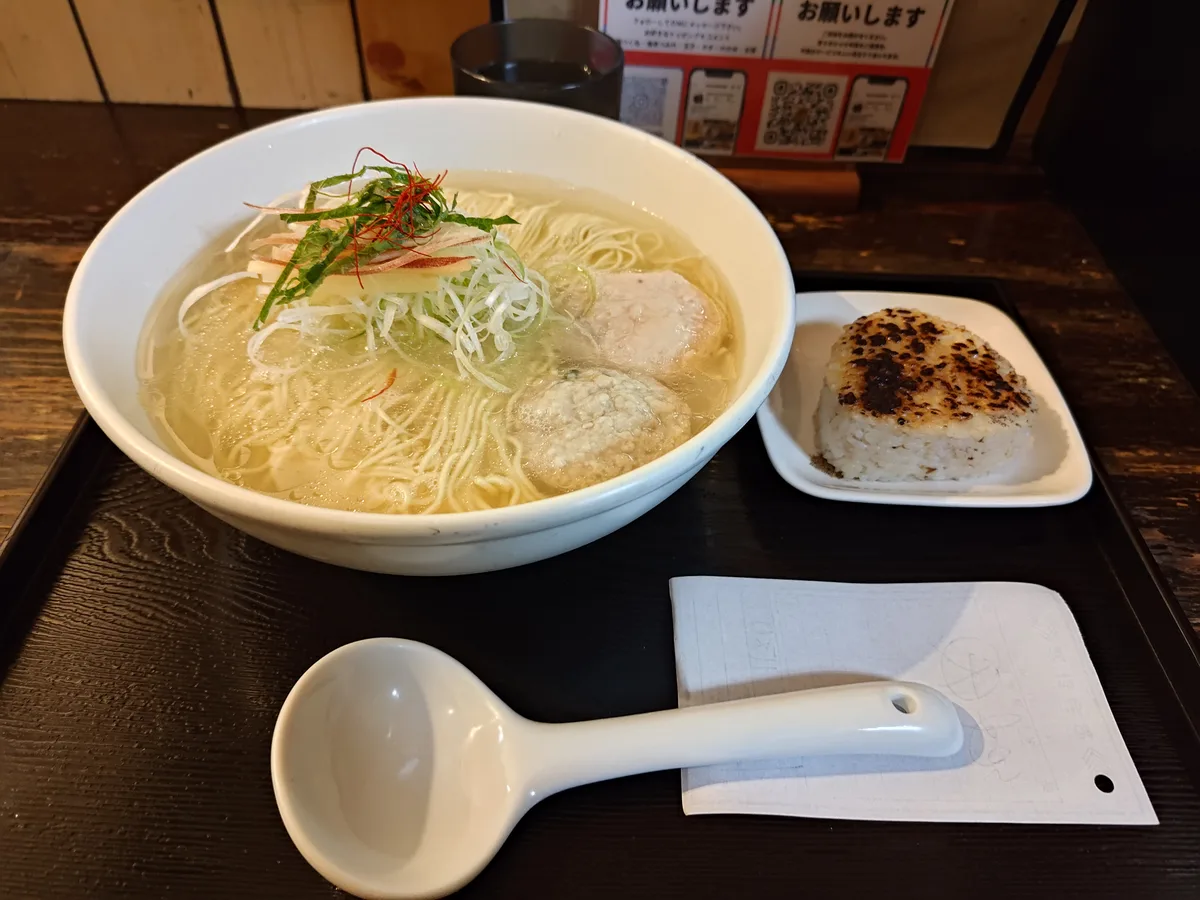
Menya Kaijin Shinjuku-ten is conveniently located a mere 30 seconds walk from JR Southeast Exit, with its signature salt soup made daily from a rotating selection of fish bones. The highlight is finishing your meal by crumbling a grilled onigiri (rice ball) seasoned with heshiko (fermented fish) into the leftover soup. Open until late 11 PM, its prime location is convenient for travelers with limited time during transfers.
Shin-chan Ramen is a "chan-kei ramen" shop open 24 hours, a 3-minute walk from JR Southeast Exit. It features a bowl overflowing with soup and a generous amount of chashu (braised pork). Popular as a shime ramen after drinking. English explanations are not available, so it's best to check the menu names in advance for a smoother experience.
For those staying in this area
For those staying in hotels around the South Exit, whether you're arriving in the morning or departing at night, you have options based on your available time: the quick-serve Kaijin before boarding a bus at Busta, or the more leisurely Fuunji, Gonokami Seisakusho, Inose, and Shin-chan Ramen.
🏃Zone 5: Nishi-Shinjuku 5-chome (A Little Further Out) — Two Pilgrimage-Worthy Masterpieces
The area around Nishi-Shinjuku 5-chome Station on the Toei Oedo Line is a bit further from Shinjuku's tourist center, but it hosts two shops that are "worth the journey." From JR Shinjuku Station, it's two stops on the Oedo Line, or a 20-25 minute walk. While off the main tourist path, these shops are definitely worth visiting for their ramen alone.
Ramenya Shima is a reservation-only, 6-seat counter. Reservations are made via TableCheck, with availability for the next day opening at 8 AM the day before. TableCheck supports 18 languages and does not require a Japanese phone number, making it an easy platform for overseas bookings. It offers three types of "rich chintan" (clear soup): shio (salt), shoyu (soy sauce), and shiro shoyu (white soy sauce), known for their transparent yet condensed umami.
Seimen Labo is a 6-minute walk from Nishi-Shinjuku 5-chome Station A2 Exit. Its specialty is house-made noodles with high water content. The menu is broad, including "rich fish dashi ramen," "shina soba," "chukasoba," and "tsukemen," all at reasonable prices. Although there's a ticket machine inside, it's been out of order for years, and ordering is currently done verbally with cash prepayment. Upon entering, pay at the blue cash tray; the menu is posted outside, so it's smooth if you decide in advance (please check the shop page for the latest status).

Sophia
Shima and Seimen Labo are a bit inconvenient to drop by during sightseeing. But when asked, "What's your favorite ramen in Shinjuku?" Shima's name often comes up. If you can get a reservation, it's worth adjusting other plans to go. It's truly a top-tier spot.
🏨Summary by Accommodation Area — Choosing by Time of Day from Your Hotel
We've created a cross-zone list of recommendations by time of day for each accommodation area. Quickly find options for morning, lunch, evening, and late-night near your hotel.
| Accommodation Area | Morning | Lunch | Evening | Late Night |
|---|---|---|---|---|
| Nishi-Shinjuku (Tokyo Gov. Bldg. side) | Horiuchi (8:00~) | Manrai / Sho Misodokoro | Hachiro Shoten / Sho Honten | Manrai / Horiuchi (~11 PM) |
| Kabukicho / East Exit | — | Hosenka / Garon | Hosenka / Jiro | Nagi Golden-Gai (24h) / Jiro |
| Shinjuku-sanchome (Isetan side) | Sarusuberi (7:00~) | Kurouzu / Suzuran | Suzuran / Kurouzu | Suzuran / Kurouzu (~11 PM) |
| South Exit / New South Exit | — | Fuunji / Gonokami Seisakusho | Inose / Gonokami Seisakusho | Shin-chan Ramen (24h) / Menya Kaijin |
| Nishi-Shinjuku 5-chome | — | Shima (Reservation) / Seimen Labo | Shima (Reservation) | — |
How to use
This table is designed to give you an overview of "what's available within walking distance from your hotel, for each time of day." Some areas have limited options for morning and late-night, so it can also serve as a reference when choosing your accommodation.
⏰How to Spend 24 Hours — Time-Specific Plans
Ramen shops in Shinjuku operate continuously from early morning at 7 AM, through late night, and into the next morning. This wide range of operating hours, a result of the huge station attracting demand for early morning shifts, late-night returns, and nightlife, naturally becomes convenient for travelers based in Shinjuku. Below, we've organized the day into four time slots.
🌅Asa-ra (Morning Ramen: 7:00 AM – 10:00 AM) — Also for Breakfast Before Sightseeing
Sightseeing from a Tokyo base often starts early: 7 AM Shinkansen departures, 8 AM bus tours, 9 AM temple openings at Senso-ji. There are days when you want to leave earlier than hotel breakfast. While not many shops in Tokyo serve ramen from 7 AM, Shinjuku has them.
A must-visit is Sarusuberi, directly connected to Shinjuku-sanchome Station C2. Their morning-exclusive menu is priced at one coin (500 yen), and the light niboshi shoyu (dried sardine soy sauce) soba broth is gentle on the morning stomach. With an English menu and cashless payment options, its direct connection to Shinjuku-sanchome Station (served by Fukutoshin, Marunouchi, and Toei Shinjuku lines) makes it incredibly convenient to hop on a train right after your morning ramen.
Another morning option is Ramen Horiuchi Shinjuku Honten, open from 8 AM. You can enjoy classic shoyu (soy sauce) ramen or tsukemen from this over 30-year-old establishment. It's just a short walk from JR West Exit, perfect before or after exploring the Tokyo Metropolitan Government Building or a morning stroll in Shinjuku Gyoen. Its location allows easy access to Tokyo Station, Takao, or Yamanashi via the Chuo Line, or Shibuya and Ueno via the Yamanote Line.
☀️Lunch (11:00 AM – 3:00 PM) — Between Office Rush and Sightseeing
Lunchtime in Shinjuku is peak hour. With travelers returning to Shinjuku for lunch after morning excursions to Asakusa or Harajuku, popular shops are sure to have queues. Fortunately, Shinjuku's popular spots often have a fast turnover, so you can usually get in quicker by adjusting your timing slightly.
Fuunji Shinjuku Honten is a consistently ranked Hyakumeiten (Top 100 Shops) with long queues, but its high turnover rate means you can often get in surprisingly quickly. Located underground in the South Exit area, the aroma that rises the moment you mix in the seafood powder delivers a powerful punch to palates tired from sightseeing. You can avoid the peak by visiting after 2 PM.
For a quieter lunch in the office district, Menya Sho Honten and Menya Sho Misodokoro in Nishi-Shinjuku offer a calm atmosphere. In the Shinjuku-sanchome area, Ramen Kurouzu and Niboshi Chukasoba Suzuran are convenient after shopping at Isetan or Lumine, and both offer English menus for peace of mind.
Tsukemen enthusiasts should head to Tsukemen Gonokami Seisakusho near the South Exit; its rich, shrimp bisque-like dipping sauce makes you feel like you're eating a culinary dish, not just ramen, from the first bite. After visiting the Tokyo Metropolitan Government Building Observation Deck (free), Ramen Manrai or Ramen Horiuchi are recommended for a hearty, long-established lunch.
🌃Dinner ~ Evening (5:00 PM – 11:00 PM) — For a Serious Bowl or After Sightseeing
Evening is the time for reservations or shops where you can take your time to enjoy. This time slot is also suitable for a bowl near your hotel after returning from day trips to Nikko or Kamakura. Many shops are open until 11 PM, accommodating late dinners.
Ramenya Shima (Nishi-Shinjuku 5-chome) is a reservation-only, 6-seat counter where the chef meticulously prepares each bowl. Its "rich chintan" (clear soup), transparent yet concentrated in umami, will surprise you with its depth, making you wonder how much chicken was condensed into it. Reservations are possible from overseas via TableCheck, and securing a spot while planning your trip will be a highlight of your Tokyo stay.
Ramen Hosenka in Kabukicho specializes in kinmedai (splendid alfonsino) shio (salt) ramen. A sip of the clear soup fills your mouth with the umami of kinmedai, leaving a lingering aroma of grilled splendid alfonsino. The "Kinmedai Chazuke" (rice with splendid alfonsino in broth) is a classic way to finish the meal. It's open until 11 PM, with an English menu. Ramen Kurouzu, Niboshi Chukasoba Suzuran, Ramen Manrai, and Ramen Horiuchi are also open until 11 PM, catering to late dinners.
In the tsukemen mecca of the South Exit, Inose is a good option for an evening meal. The "Tokujou Kombusui Tsukemen" (special kelp water tsukemen), which offers four types of dipping sauces, is a ritualistic experience: first, you taste the thin noodles soaked in clear kelp water on their own, then with table salt (mosio), and finally with each dipping sauce. It's perfect for a leisurely conclusion to your evening in Tokyo.
🌙Late Night / Until Morning (11:00 PM – Next Morning) — After-Drinking and 24-Hour Operations
Shinjuku's night continues even after drinking. Kabukicho boasts Tokyo's largest entertainment district, and with the emergence of Tokyu Kabukicho Tower, its popularity as an international tourist spot has grown. Over 200 mini-bars in Golden-Gai, the lantern lights of Omoide Yokocho, and ramen shops operating 24 hours create Shinjuku's atmosphere until morning.
Two 24-hour shops are reliable for late-night Shinjuku: Sugoi Niboshi Ramen Nagi Golden-Gai Main Branch is on the second floor of Golden-Gai's G2 Street, a deep location with a narrow staircase and a white lantern as a landmark. The rich soup, a blend of over 20 types of dried sardines, delivers an intense niboshi punch on the first bite, yet the aftertaste is surprisingly clean. It's a comforting bowl for a tired body after a bar crawl.
Shin-chan Ramen is a 24-hour "chan-kei ramen" shop near the Southeast Exit, known for its new style featuring a bowl overflowing with soup and a generous amount of chashu. The clear pork chintan shoyu (clear pork bone soy sauce) soup is not too strong and has a pleasant gentleness, perfect for a shime after drinking.
For late-night in Kabukicho, there's Ramen Jiro Shinjuku Kabukicho. Its rich tonkotsu shoyu (pork bone soy sauce) soup, homemade thick noodles, and mountain of vegetables and chashu declare from the first bite that this is a different kind of food. However, Jiro-kei has its own unique "call" system for toppings, so first-timers are advised to visit during less crowded daytime or evening hours to get familiar with the customs.
Before enjoying Kabukicho at night
While Kabukicho's popularity with tourists is increasing, so are issues with touts and solicitations to suspicious establishments. Do not respond to calls like "I'll guide you for free" or "There's a delicious shop nearby." Always use your smartphone map to navigate to ramen shops. Golden-Gai and Omoide Yokocho are relatively safe, and you won't get lost if you follow the lanterns and signs.

Mei
Bar-hopping through Golden-Gai, with each bar having a different owner, and then ending the night at Nagi. The rich niboshi soup is incredibly satisfying at the end of the day. This 'Kabukicho until morning, finish with ramen' is an experience you can only have in Shinjuku. It's relatively safe even for solo female travelers, and many bars in Golden-Gai are friendly.
⚡Decide in 3 Minutes — Quick Paths by Purpose
If you've read this far and are starting to feel lost, here are 5 purpose-specific choices where you don't need to choose anymore.
| If this is the case | This shop | Briefly |
|---|---|---|
| Short on time / Quick bowl during transfer | Menya Kaijin | 30 seconds from JR Southeast Exit, fish bone broth salt ramen |
| Don't want to make a mistake / English OK & secure payment | Misoya Hachiro Shoten | English, QR, Alipay/WeChat Pay supported |
| Quick bite before morning departure | Sarusuberi | Directly connected to Shinjuku-sanchome C2, open from 7 AM |
| Late-night after drinking / Any time | Nagi Golden-Gai Main Branch | Golden-Gai, 24-hour operation |
| Serious bowl / Memorable experience | Ramenya Shima (Reservation) or Fuunji | Shima requires TableCheck advance reservation. If not available, Fuunji |
Mei
If you're choosing for Instagram-worthiness, Ramen Hosenka with its visually appealing grilled kinmedai (splendid alfonsino), Tsukemen Gonokami Seisakusho with its vibrant orange shrimp bisque, or Nagi Golden-Gai Main Branch where the narrow alleys and lanterns of Golden-Gai themselves make a picturesque scene. For solo female travelers, Sarusuberi or Ramen Kurouzu in the bright Shinjuku-sanchome area are easy to enter.
🟢Easily Accessible ★1 Shops — Your First Bowl in Shinjuku
These four shops offer English menus, cashless payment options, and multi-language ticket machines, with few unique rules. They are safe choices for your first Japanese ramen experience. If you're unsure, start here for an introduction to Shinjuku ramen.
Misoya Hachiro Shoten Shinjuku-ten — Miso Ramen with Black Garlic Oil, Full Payment Support
A 4-minute walk from Toei Oedo Line Shinjuku-Nishiguchi Station, this miso ramen specialty shop is run by the "Nantsu-tei" group. It offers a powerful bowl with a rich miso soup topped with black garlic oil (charred garlic oil), where the umami and fragrance of miso spread throughout your mouth. It fully supports English descriptions, photo-illustrated ticket machines, and QR payments including Alipay/WeChat Pay, making it the most accessible option in Shinjuku for international travelers. Large servings are free, and there's a rich variety including spicy miso, tomato miso, curry miso, and miso tsukemen.
If you visit, we'd love to hear your review!
Fuunji Shinjuku Honten — Hyakumeiten-ranked Gyokai Tori Paitan Tsukemen
This popular shop for rich gyokai x tori paitan (seafood x chicken paitan) tsukemen is located underground in the JR Shinjuku Station South Exit area. The double soup, a blend of chicken paitan and seafood, is rich yet has a clean aftertaste, and the aroma instantly rises when you mix in the fish powder at the center. The medium-thick straight noodles, crafted by the former Italian chef, have a chewy elasticity that stands up to the rich soup. The touch-panel ticket machine has photos and multi-language support. Despite being a consistently ranked Hyakumeiten with long lines, it has a high turnover rate, allowing for smooth entry. It's a valuable shop where even beginners can savor Hyakumeiten-level flavors.
If you visit, we'd love to hear your review!
Tsukemen Gonokami Seisakusho — Famous Shrimp Bisque Tsukemen
A specialty shop for ebi tsukemen (shrimp dipping noodles), a few minutes' walk from JR Shinjuku Station New South Exit / Shinjuku-sanchome Station E7 Exit. Its signature "Ebi Tsukemen" features a rich, bisque-like shrimp soup with a thick consistency that perfectly coats the chewy, thick noodles made with whole wheat flour. The "Ebi Tomato Tsukemen" offers a Western-style Italian pasta-like twist, and the popular way to finish is to enjoy the soup to the last drop with "Yaki Cheese Gohan" (grilled cheese rice). It's a consistently ranked Hyakumeiten with fast turnover and a simple menu, making it an accessible option for first-time visitors.
If you visit, we'd love to hear your review!
Menya Sho Honten — Hidden Gem for Shamo Shio Ramen
Located in a back alley of Nishi-Shinjuku near Tokyo Metro Nishi-Shinjuku Station, this shop's signature is shio (salt) ramen that highlights the umami of shamo (gamecock). The clear golden soup harmonizes the richness of chicken oil with the powerful umami of shamo, creating a light yet deep flavor. Various types of chashu, including duck and smoked pork, are used, and the smooth texture of the wontons is also praised. It's a bit of a walk from the station, which means fewer queues, and it has an English menu, making it a quiet, hidden gem to enjoy. During lunchtime, a large serving or rice is complimentary.
If you visit, we'd love to hear your review!
Sophia
Hachiro Shoten offers an overwhelming array of payment options. Fuunji and Gonokami provide Hyakumeiten quality with beginner-friendly difficulty, striking an excellent balance between taste satisfaction and accessibility. Sho Honten is a quiet option for those who dislike queues. With these four shops, you can hardly go wrong for your "first Shinjuku ramen."
🟡Standard Difficulty ★2 Shops — Shinjuku's Mainstream
This is Shinjuku's broadest difficulty range. Basic ordering at a ticket machine is usually sufficient, and nearly half of these shops offer English menus. This diverse group, ranging from unique styles to long-established favorites, best captures the essence of Shinjuku.
Menya Kaijin Shinjuku-ten — Unique Fish Bone Broth
A 30-second walk from JR Shinjuku Station Southeast Exit, this specialty shop on the 2nd floor of a building serves shio ramen (salt ramen) made with daily rotating fish bone broth. The golden-hued soup, brewed from fish like sea bream, splendid alfonsino, conger eel, and yellowtail, boasts a profound depth with multiple layers of seafood umami. Instead of chashu, it features red and white chicken meatballs and shrimp dumplings, accented with herbs like shiso (perilla) and myoga (Japanese ginger). A unique highlight is crumbling a grilled onigiri (rice ball) seasoned with heshiko (fermented fish) into the soup to finish the meal. Open until late 11 PM, it's also perfect for a post-drink snack. Its exceptional proximity to the station makes it convenient for travelers with limited transfer time.
If you visit, we'd love to hear your review!
Visited & Verified by Our Team
Our editorial team actually visited the shop in April 2026 and experienced everything — from ordering, to the tasting itself, to finishing the meal with the signature "heshiko grilled rice ball" dipped in the leftover broth.
Sugoi Niboshi Ramen Nagi Golden-Gai Main Branch — 24-Hour Rich Niboshi Ramen 🥷
Located on the second floor of G2 Street in Kabukicho's Golden-Gai, accessible from Shinjuku-sanchome Station E2 Exit or JR East Exit, this 24-hour specialty shop serves rich niboshi (dried sardine) ramen. Look for the white lantern and ascend a narrow staircase to find a compact interior with a deep, Golden-Gai ambiance. A bowl made with over 20 types of dried sardines delivers a sharp, concentrated niboshi punch on the first bite, yet the aftertaste is surprisingly clean. In addition to chewy, medium-thick wavy noodles, you can also choose the famous ultra-flat, wide noodles called "Ittan Momen." It's Shinjuku's most iconic spot for a late-night ramen after drinking.
If you visit, we'd love to hear your review!
Ramen Horiuchi Shinjuku Honten — West Exit's Over 30-Year-Old Establishment
A 3-minute walk from JR Shinjuku Station West Exit, this long-established ramen shop is famous for its "Zaru Ramen" (tsukemen, or dipping noodles). It's so popular that most customers order zaru, which features generous portions of smooth, chewy, flat wavy noodles. The chicken and pork bone-based shoyu (soy sauce) tare has a sharp flavor free of excessive sweetness, and the thick-cut chashu is tender and not greasy. Open continuously from 8 AM to 11 PM, this Shinjuku West Exit staple has been loved for over 30 years and is a versatile choice for anything from morning ramen to a late-night shime.
If you visit, we'd love to hear your review!
Sarusuberi — Morning Ramen Shop Directly Connected to Shinjuku-sanchome C2
Located on the second basement floor of Keio FRENTE Shinjuku 3-chome, directly connected to Shinjuku-sanchome Station C2 Exit, this specialty shop offers niboshi (dried sardine) ramen. Open from 7 AM on weekdays, its morning-exclusive menu is available for a one-coin price. The signature niboshi shoyu soba (dried sardine soy sauce ramen) has a refined, clear soup with a strong yet clean niboshi flavor. They also offer seafood tsukemen and mazesoba, with free large servings for tsukemen. With an English menu, card, e-money, and QR payment support, it's one of the few shops in Shinjuku that offers both morning ramen and cashless convenience for international visitors.
If you visit, we'd love to hear your review!
Niboshi Chukasoba Suzuran — Shinjuku-sanchome's Niboshi Shoyu Ramen
A chukasoba (Chinese noodles) specialty shop based on niboshi (dried sardines), a 2-minute walk from Shinjuku-sanchome Station. The clear shoyu (soy sauce) soup, strongly flavored with niboshi, is light-bodied yet rich in flavor. The bamboo shoots are praised for their distinct bamboo flavor, and the chashu is thinly sliced and tender from low-temperature cooking. Limited menus such as rich niboshi soba and shrimp miso tsukemen frequently appear, offering new tastes with each visit. Open until 11 PM with a drink menu, it's suitable for enjoying a beverage. English menu available.
If you visit, we'd love to hear your review!
Ramen Kurouzu — Hayashida Group's Tori Chintan Shoyu
A popular shop in the Ramen Hayashida Group, located a 2-minute walk from Shinjuku-sanchome Station. Its signature Shoyu Ramen features a clear chicken-based soup with a prominent soy sauce aroma, pairing perfectly with the firm, thin noodles. The Nodoguro Soba offers an elegant salt-based option blending chicken chintan with blackthroat seaperch dashi, while the Mazesoba is a rich bowl with soy sauce tare and egg yolk. The diverse menu is a key attraction. The ticket machine has photos and English guidance, making it easy for international travelers to order. Open until 11 PM.
If you visit, we'd love to hear your review!
Ramen Hosenka — Kinmedai Shio Ramen in Kabukicho
A specialty shop in Kabukicho offering shio (salt) ramen that leverages the dashi (broth) from kinmedai (splendid alfonsino). A sip of the clear soup fills your mouth with the umami of kinmedai, and the fragrant, grilled kinmedai provides an accent. The "Kinmedai Chazuke" (rice with splendid alfonsino in broth) is a popular signature dish, where you combine wasabi and rice with the leftover soup, a favorite way for many to enjoy the meal as a set with ramen. Open until 11 PM, it's conveniently located for a stop during a Kabukicho stroll. English menu available.
If you visit, we'd love to hear your review!
Menya Sho Misodokoro — Sho's Miso Specialty Branch
A 3-minute walk from Tokyo Metro Nishi-Shinjuku Station, this is a miso ramen specialized branch of the popular "Menya Sho." Its rich yet mellow white miso-based soup is authentically prepared by stir-frying miso and ground meat thoroughly with lard before adding soup, resulting in a prominent richness and aroma. Grated fresh ginger is added just before serving, allowing you to first enjoy the miso flavor as is, then a refreshing change by dissolving the ginger. The crunchy bean sprouts add texture. You can choose the spiciness of the karamiso (spicy miso) from 1 to 6 levels.
If you visit, we'd love to hear your review!
Chukasoba Rukawa — A Rare Combination of Beef & Shellfish Clear Soup
A 1-minute walk from Toei Oedo Line Shinjuku-Nishiguchi Station, this ramen shop features a "Gyokai Kai Chintan" (clear soup with beef bone and shellfish dashi) blended from domestic beef bone, chicken, and shellfish dashi. The clear, pristine soup combines the richness of beef with the elegant umami of shellfish, making you want to drink every last drop. It comes in two types, shoyu (soy sauce) and shio (salt), with the salt version served with truffle paste. The thin, straight noodles from Kanno Seimenjo have a pleasant bite and pair perfectly with the soup, but be sure to eat quickly as they can soften easily. Despite being a small shop with 10 L-shaped counter seats, service is fast, and turnover is smooth.
If you visit, we'd love to hear your review!
Menya Garon — Golden-Gai's Nira Ramen 🥷
Located on a small street in Shinjuku Golden-Gai, this mukachō (no chemical seasoning) ramen shop is striking with its skull lighting. The dimly lit interior, renovated from the first floor of a bar, has a unique, non-ramen-shop-like atmosphere. Its specialty, "Nira Ramen" (chive ramen), uses a whole bunch of chives, and the sizzling hot sesame oil poured over it at the end is a must-see performance. The combination of abundant chive aroma, fragrant sesame oil, and light shoyu (soy sauce) soup creates a unique bowl. They offer a variety of options including shoyu, shio, niboshi, and tantanmen, all featuring light, mukachō soups made from whole chicken, pork, and kelp dashi. The ticket machine has English notation. Its location on a narrow Golden-Gai alley makes it a hidden gem.
If you visit, we'd love to hear your review!
Dr. Hiro
★2 accounts for 10 shops, half of all ramen shops in Shinjuku. Among them, 4 shops (Hosenka, Suzuran, Kurouzu, Garon) offer English menus, while Sarusuberi and Horiuchi are open for morning ramen, and Nagi operates 24 hours. The depth of options means you could easily spend a whole day from morning to night just enjoying ★2 shops.
🟠A Step Up: ★3 Shops — Reservations and Local Rules
These shops might have limited English support or can be enjoyed more if you're familiar with their unique eating styles or reservation systems. Recommended for your second or third ramen experience in Japan, once you're more comfortable.
Ramen Manrai — West Exit's Long-Established Powerhouse for Volume Eaters
A 5-minute walk from JR Shinjuku Station West Exit, this long-established ramen shop is the original establishment from which the neighboring "Horiuchi" branched off. The menu primarily offers two types: ramen and zaru (tsukemen, or dipping noodles), characterized by overwhelming volume, with even a regular serving having 1.5 to 2 times the normal noodle quantity. The soup is a clear chicken-based shoyu (soy sauce) with a gentle, old-fashioned taste yet rich in umami. The chashu is thick-cut (over 1cm) and tender, not greasy. Open until 11 PM, it's suitable for those who want a hearty meal or a bowl after drinking. English support is limited, so it's recommended to check menu names in advance for a smoother experience.
If you visit, we'd love to hear your review!
Shin-chan Ramen — 24-Hour "Chan-kei" Style
A 3-minute walk from JR Shinjuku Station Southeast Exit, this 24-hour "chan-kei ramen" shop is located in a back alley. Chan-kei refers to a new ramen style characterized by a bowl overflowing with soup, chewy flat noodles, and generous amounts of chashu (braised pork). The clear pork chintan shoyu (clear pork bone soy sauce) soup is not too strong and has a gentle flavor, perfect as a shime (late-night meal) after drinking. The chashu is freshly sliced, served with 6-7 pieces, offering a volume that feels like a chashu-men by default. Although it has a touch-panel ticket machine, there are no English descriptions or photos, so it's recommended to check the menu names in advance.
If you visit, we'd love to hear your review!
Ramenya Shima — Reservation-Only, Bookable from Overseas 🥷
Located in Nishi-Shinjuku 5-chome, this is a reservation-only, 6-seat counter. Reservations are made using TableCheck, with availability for the next day opening at 8 AM the day before. TableCheck supports 18 languages and does not require a Japanese phone number, making it an easy platform for overseas bookings. Each bowl is meticulously crafted by the owner, centered on three types: shio (salt), shoyu (soy sauce), and shiro shoyu (white soy sauce), resulting in a transparent yet concentrated "rich chintan" (clear soup). Chashu is used in four variations, including smoked and seared, and the special ramen includes two types of wontons (shrimp and meat). Familiarity with the reservation system is required, but if you can secure a spot, it will be a highlight of your Shinjuku stay.
If you visit, we'd love to hear your review!
🔴For the Advanced Traveler: ★4 Shops — For the Prepared
These shops might cause confusion without prior preparation due to unique ordering rules or specific eating styles. However, if you do your homework, a memorable bowl awaits you in Shinjuku.
Ramen Jiro Shinjuku Kabukicho — Unique Jiro-kei Customs 🧙🥋
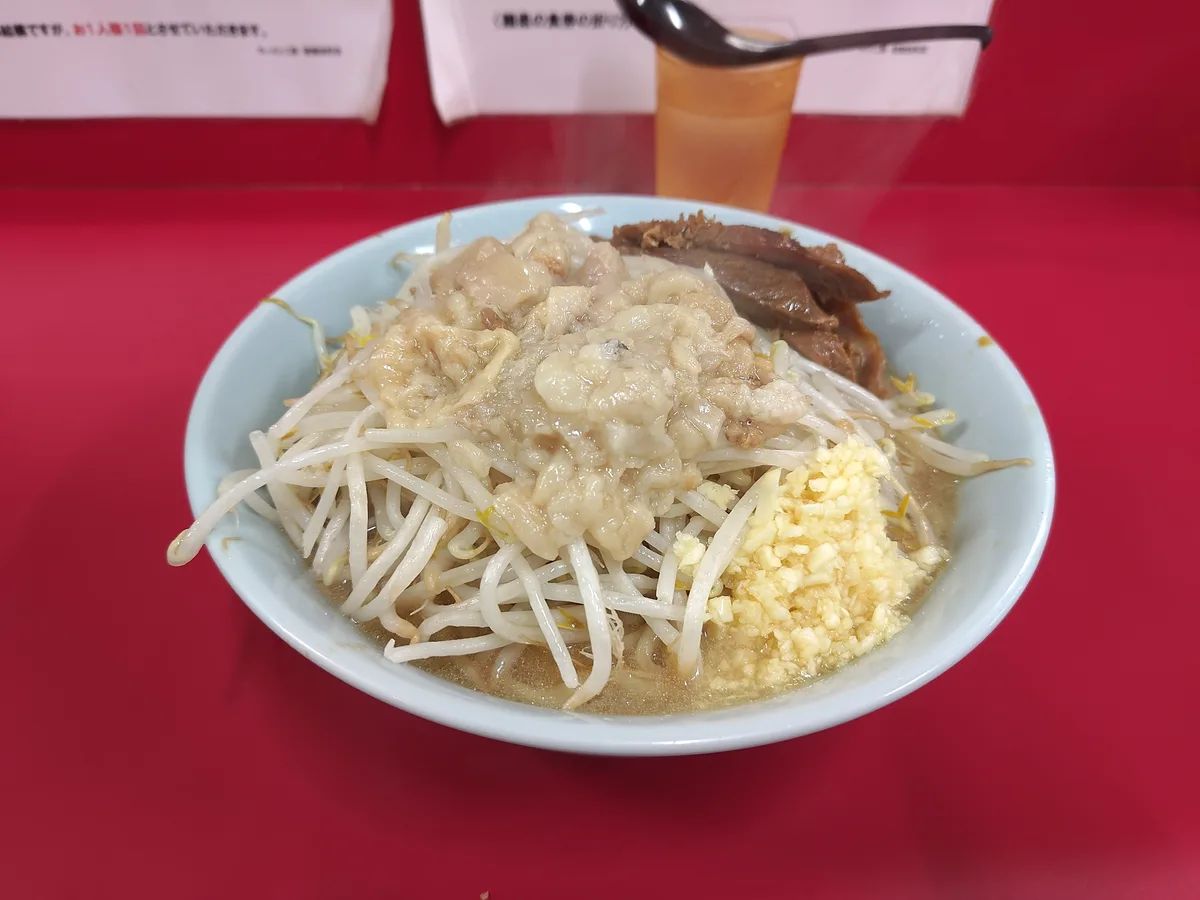
A directly affiliated Ramen Jiro shop located in Kabukicho, a 1-minute walk from Seibu-Shinjuku Station. Its rich tonkotsu shoyu (pork bone soy sauce) soup, homemade thick noodles, and voluminous chashu (braised pork) deliver the satisfying experience characteristic of Jiro. Even a small ramen (sho-ramen) has a substantial 200g of noodles, so for first-timers, it's safer to choose "sukuname" (less noodles). There's a unique custom of indicating noodle hardness by folding your meal ticket, and just before your bowl is served, you'll be asked for a "call" (declaring the amount of vegetables, garlic, back fat, and karame/stronger seasoning). The menu is in Japanese only with no photos, so it's recommended to research the basic menu and call system in advance. Closed on Wednesdays.
If you visit, we'd love to hear your review!
Visited & Verified by Our Team
Our editorial team actually visited the shop in May 2026 and experienced everything — from operating the ticket machine, to delivering the "call", to the tasting itself.
Inose — Kombusui Tsukemen with 4 Dipping Sauces
A kombusui tsukemen (tsukemen served in kelp water) specialty shop under the Ramen Koike Group, located a 7-minute walk from JR Shinjuku Station South Exit (2 minutes from Toei Oedo Line Shinjuku Station). The thin noodles, soaked in clear kelp water, offer an elegant flavor with the aroma of wheat and the umami of dashi even when eaten plain. The recommended way to eat is to first taste the noodles on their own, then sprinkle them with the table salt (mosio), and finally dip them in the tsukejiru (dipping sauce). Ordering the "Tokujou Kombusui Tsukemen" (special kelp water tsukemen) comes with four types of dipping sauces: Tokyo Classic (sweet and savory soy sauce-based), chilled soy milk tantan, and grated nameko mushrooms, allowing for a variety of flavor changes in one bowl. Instructions on how to eat are posted in the shop, but understanding the sequence beforehand will make the experience even smoother.
If you visit, we'd love to hear your review!
Seimen Labo — Verbal Ordering, No Ticket Machine
Located a 6-minute walk from Toei Oedo Line Nishi-Shinjuku 5-chome Station A2 Exit, along Honan-dori, this is a well-known ramen shop for those in the know. As its name "Seimen" (noodle making) suggests, the quality of its noodles is high, offering chewy texture and smooth throat-feel from medium-thin straight noodles with high water content. The menu is diverse, including "rich fish dashi ramen," "shina soba," "chukasoba," and "tsukemen," all at attractive, reasonable prices. Although a ticket machine is installed inside, it has been out of order for many years, and currently, verbal ordering with cash prepayment is the standard practice. Upon entering, pay at the blue cash tray; the menu is displayed outside the shop, so it's smoother if you decide your order in advance (please check the shop page for the latest status).
If you visit, we'd love to hear your review!
Zack
Jiro and Shima (★3), both are much more enjoyable if you go in with some preparation. For Jiro, watch videos of the "call" system, and for Shima, understand the menu at the time of reservation. Even for Inose, knowing how to eat it makes a huge difference in satisfaction. 10 minutes of preparation beforehand can greatly enhance your experience on site.
🎡Recommendations by Tourist Spot — Itinerary for Your Stay
We've organized shops within walking distance of Shinjuku's main tourist spots. Choose a route that allows you to naturally stop by before or after your sightseeing.
| Tourist Spot | Recommended Shop | Feature |
|---|---|---|
| Tokyo Metropolitan Government Building Observation Decks (Free) | Menya Sho Misodokoro / Menya Sho Honten | Walking distance from the Gov. Bldg. towards Nishi-Shinjuku Sta. |
| Shinjuku Gyoen National Garden | Sarusuberi / Niboshi Chukasoba Suzuran | Shinjuku-sanchome Station is walking distance to both Gyoen and ramen. |
| Golden-Gai | Nagi Golden-Gai / Menya Garon | Within the same area for shime ramen after bar-hopping |
| Kabukicho / Tokyu Kabukicho Tower | Ramen Jiro / Hosenka | All within Kabukicho |
| Isetan / Marui / Lumine Shinjuku | Kurouzu / Suzuran / Sarusuberi | In Shinjuku-sanchome after shopping |
| Busta Shinjuku (Before/After airport & highway buses) | Menya Kaijin / Fuunji | Quick access from New South Exit / South Exit Underground |
| Omoide Yokocho (West Exit) | Manrai / Horiuchi | Long-established shoyu ramen after exploring the alley |
📱Reservations & Inbound Support — Worry-Free from Overseas
Most ramen shops in Shinjuku do not require reservations, but some are reservation-only or offer extensive support for international visitors.
🗓️Reservation Only: Ramenya Shima (TableCheck Supports 18 Languages)
Ramenya Shima is a reservation-only, 6-seat counter. Reservations made via TableCheck support 18 languages and do not require a Japanese phone number. Bookings for the next day open at 8 AM the day before, but due to its popularity, spots can fill up in minutes. Continuously refreshing the screen might allow you to grab a canceled spot. If you can secure a reservation, a highlight of your Shinjuku stay awaits.
🇬🇧Shops with English Menus
The following shops offer English menus, photo-illustrated ticket machines, or English signage: Misoya Hachiro Shoten / Sarusuberi / Fuunji Shinjuku Honten / Ramen Kurouzu / Niboshi Chukasoba Suzuran / Ramen Hosenka / Menya Sho Honten / Menya Garon / Tsukemen Gonokami Seisakusho / Chukasoba Rukawa. Half of the 20 shops offer English support, which is extensive compared to other areas in Tokyo.
💳Cashless Payment Options
Misoya Hachiro Shoten fully supports cards, e-money, and QR payments (including Alipay and WeChat Pay). Sarusuberi also accepts cards, e-money, and QR. Inose accepts credit cards. Shin-chan Ramen also accepts credit cards. Most other shops are cash-only, so prepare coins and 1,000-yen bills before your visit.
🌱Dietary Restrictions — For options outside this guide, transfer to nearby areas
The 20 ramen shops introduced in this Shinjuku guide do not include specialty shops that cater to vegan, halal, or pork-free dietary restrictions (this does not mean such shops absolutely don't exist in the broader Shinjuku area, but rather within the scope of shops listed in this guide). However, with over 10 train lines converging at Shinjuku Station, you can reach suitable shops in nearby areas with minimal transfers, usually within 15-30 minutes. Here are the main options:
🥬Vegan Options — To Toyosu, Shibuya, Asakusa
In Toyosu, there's Vegan Ramen UZU Tokyo, conveniently located for a visit alongside sightseeing at Toyosu Market and Toyosu Senkyakubanrai. Shibuya has Jikaseimen MENSHO, which is both vegan and halal-friendly, a broad appeal. It's about 7 minutes from Shinjuku by JR Yamanote Line, easily integrated into a morning of Harajuku and Shibuya sightseeing. Asakusa features Yoroiya, well-located for combining with visits to Senso-ji Temple and Tokyo Skytree.
🕌Halal Options — To Akihabara, Shibuya
Akihabara offers Nikoniko Mazemen and Curry, a direct 15-20 minute ride from Shinjuku via JR Chuo-Sobu Line (local). It's easy to plan alongside sightseeing in the anime, gaming, and electronics district. MENSHO in Shibuya also accommodates halal diners.
Sophia
This article only states that the 20 ramen shops in Shinjuku introduced here do not include dietary restriction-friendly establishments; it doesn't mean such shops don't exist in the entire Shinjuku area. Even so, Shinjuku Station is a hub for over 10 train lines, so you can easily enjoy Tokyo ramen even with dietary restrictions by naturally incorporating it into your daytime sightseeing itinerary—about 15 minutes to Akihabara via the Sobu Line, about 7 minutes to Shibuya via the Yamanote Line, and to Toyosu via the Yurakucho Line.
👨👩👧For Families / Groups — Shops with Table Seating
Most ramen shops in Shinjuku are counter-centric, but some have table seating, making them easier for families to sit. Please check the specific number of seats on each shop's page.
Shin-chan Ramen and Menya Kaijin, both near Shinjuku Station Southeast Exit, offer counter seating or table seating, making them relatively easy for group visits. Long-established shops like Horiuchi and Manrai also have relatively spacious interiors and a welcoming atmosphere for families.
Checking seat availability
The presence of only counter seats (for individuals) or tables can be checked in the "Seating" section on each shop's page. If you're visiting as a group, please check beforehand.
❓Frequently Asked Questions
QWhat's the closest ramen shop to Shinjuku Station?
For JR Shinjuku Station, the closest is Menya Kaijin Shinjuku-ten (30 seconds walk from the Southeast Exit). If you're at Shinjuku-sanchome Station, Sarusuberi (directly connected to C2 Exit) is right at the station. For Seibu-Shinjuku Station, Ramen Jiro Shinjuku Kabukicho is a 1-minute walk from the North Exit. For Toei Oedo Line Shinjuku-Nishiguchi Station, Chukasoba Rukawa is a 1-minute walk. If you exit incorrectly, searching the shop name on Google Maps will show you the nearest exit and route.
QWhich ramen shops are open after 1 AM?
The two 24-hour shops are Sugoi Niboshi Ramen Nagi Golden-Gai Main Branch and Shin-chan Ramen, both open after 1 AM and into the early morning. Additionally, in Kabukicho, shops like Ramen Jiro Shinjuku Kabukicho have late-night to early-morning hours. Many shops like Manrai, Horiuchi, Suzuran, Kurouzu, and Hosenka are open until 11 PM.
QWhich ramen shops open early in the morning?
Sarusuberi (directly connected to Shinjuku-sanchome Station C2 Exit) opens at 7 AM, offering morning-exclusive menus at a one-coin price. Ramen Horiuchi Shinjuku Honten (3 minutes from JR West Exit) opens at 8 AM. Enjoy them for breakfast on days with early departures or when you wake up early due to jet lag.
QWhich shops have English menus?
Out of the 20 Shinjuku shops, about 10 offer English menus. These are Misoya Hachiro Shoten (photos, English, QR fully equipped), Sarusuberi, Fuunji Shinjuku Honten (touch panel multi-language), Ramen Kurouzu, Niboshi Chukasoba Suzuran, Ramen Hosenka, Menya Sho Honten, Menya Garon, Tsukemen Gonokami Seisakusho, and Chukasoba Rukawa – a total of 10 shops.
QWhich shops accept Suica or credit cards?
Full payment support (cards, e-money, QR) is available at Misoya Hachiro Shoten (including Alipay and WeChat Pay) and Sarusuberi. Credit cards are accepted at Inose and Shin-chan Ramen. Most other shops are cash-only, so preparing coins and 1,000-yen bills in advance will ensure a smooth purchase at the ticket machine.
QWhich shops can be reserved from overseas?
Ramenya Shima can be reserved from overseas via TableCheck (supports 18 languages and does not require a Japanese phone number). Reservations for the next day open at 8 AM the day before. Other shops in Shinjuku generally do not require reservations and operate on a first-come, first-served basis. Popular shops like Fuunji, Gonokami Seisakusho, and Inose often have queues, but their high turnover means you can often get in surprisingly quickly.
QIs Kabukicho / Golden-Gai safe?
Golden-Gai itself is popular with tourists and relatively safe. However, in Kabukicho, be wary of touts and suspicious solicitations. It is wise not to respond to calls like "I'll guide you for free" or "There's a delicious shop nearby." Always verify directions to ramen shops using your own smartphone map. For Nagi Golden-Gai Main Branch and Menya Garon, it's safest to navigate yourself using their lanterns and signs as landmarks.
QWhich area is most convenient to stay in?
For first-timers, the Shinjuku-sanchome area is calm and offers good ramen access (Sarusuberi, Suzuran, Kurouzu are within walking distance). If nightlife is your priority, the Kabukicho area (Nagi, Jiro, Hosenka, Garon) is ideal. For business or a quiet stay, Nishi-Shinjuku (Horiuchi, Manrai, Sho, Hachiro Shoten) is recommended. If you frequently use airport buses, the South Exit area (Fuunji, Gonokami, Kaijin, Shin-chan) is convenient.
💡Practical Information
Checking Business Hours
Business hours and regular holidays for each shop are subject to change. Please check each shop's page and official information for the latest status before visiting. There's also a possibility of early closing due to soup running out.
Prepare Cash
Most ramen shops in Shinjuku are cash-only. Having coins and 1,000-yen bills prepared in advance will ensure a smooth purchase at the ticket machine.
Routes on Rainy Days
JR Shinjuku Station has an extensive underground passage network, allowing you to move between the West, East, and South exits without an umbrella. There are also underground routes to Shinjuku-sanchome Station and Seibu-Shinjuku Station. On rainy days, the underground is recommended over walking above ground.
Avoiding Crowds
Queues are inevitable at popular shops during lunch peak (12:00 PM – 1:30 PM) and dinner peak (7:00 PM – 8:30 PM). It's relatively less crowded right after opening, after 2 PM, or after 9 PM. For Hyakumeiten shops like Fuunji and Gonokami, 1-2 hours before closing is a good time to visit.
🧳For Those with Suitcases / Large Luggage
Shinjuku is a hub for Narita Express and Haneda Limousine Bus services, so many travelers wish to eat ramen before or after their flights. However, Japanese ramen shops typically have narrow seating arrangements, and most do not have space under the counter for large suitcases. As a rule, it's best to "not bring them into the shop and store them beforehand."
📍Luggage Storage Around Shinjuku Station
- JR Shinjuku Station coin lockers: Large lockers (suitcase size) are available at the South Exit, New South Gate, East Exit, and West Exit.
- Busta Shinjuku (directly connected to JR Shinjuku Station New South Gate): Large lockers are concentrated here for highway bus users. Convenient before or after airport bus rides.
- Odakyu Department Store, Keio Mall, Lumine, NEWoMan: Lockers are also available inside commercial facilities directly connected to the station (may be full during peak hours).
- ecbo cloak: Temporary luggage storage at partner stores around the station. Reservations can be made in advance via a multi-language app.
- Your hotel: Most hotels accept luggage storage before check-in and after check-out. This is the most reliable option.
On days using airport buses
If you plan to take an airport limousine bus from Busta Shinjuku, shops in the South Exit / New South Exit area like Menya Kaijin, Fuunji, and Tsukemen Gonokami Seisakusho are convenient. The process of storing your luggage in a locker, enjoying a bowl of ramen, and then returning to board your bus will be smooth.
Shops particularly strict about large luggage
Shops like Nagi Golden-Gai Main Branch (narrow stairs + 2F) in Golden-Gai, Menya Garon (narrow Golden-Gai alley + dimly lit bar-renovated interior), and the reservation-only 6-seat Ramenya Shima are particularly difficult to visit with large suitcases. Please store your luggage in a locker or at your hotel beforehand.
🚆Triple Ramen Trail — Yamanote Line's 3 Sub-Centers: Shibuya, Shinjuku, Ikebukuro Hopping Plan
Shinjuku is at the center of the travel flow, connecting to Ikebukuro in 9 minutes and Shibuya in 7 minutes on the Yamanote Line, and linking Ikebukuro, Shinjuku-sanchome, and Shibuya directly on the Fukutoshin Line. Here's a model course for enjoying ramen while hopping through these three areas in one day.
🟫Course: Traverse 3 Areas on the Fukutoshin Line (Half-Day)
- 11:00 AM — Start in Ikebukuro: Chisoumen Mamiana for Ikebukuro's rich seafood tsukemen
- 12:30 PM — Fukutoshin Line from Ikebukuro to Shinjuku-sanchome (approx. 7 min direct): Sightseeing in Shinjuku area (Shinjuku Gyoen, Kabukicho, etc.)
- 3:00 PM — Shinjuku-sanchome to Shibuya (Fukutoshin Line direct, approx. 8 min): Shibuya sightseeing, choose a dietary restriction-friendly shop from the Shibuya Ramen Guide in the evening
- 8:00 PM — Shibuya to Ikebukuro (Fukutoshin Line direct, approx. 16 min): Return to your accommodation in Ikebukuro and finish the night with Hirochan Ramen! (24-hour operation)
The Fukutoshin Line connects Ikebukuro, Shinjuku-sanchome, and Shibuya directly, requiring no transfers. The total fare with Suica/PASMO is approximately 400 yen. This route involves fewer transfers than the Yamanote Line and is weatherproof due to its underground sections.
Related Articles: Ikebukuro Ramen Complete Guide — Birthplace of Tsukemen, Anime Holy Land, Cost-Performance Battleground. Shibuya Ramen Guide — Dietary Restriction Friendly, Late Night, New Generation Styles. Reading all three articles together will give you a three-dimensional view of the differences in ramen culture among Tokyo's three sub-centers.
✅Verified by Real Humans
Information in this article is based on curation from official websites, social media, review sites, and some on-site verification. Business hours, prices, supported languages, and cashless payment options frequently change, so please also check each shop's official information.
If you notice any outdated or incorrect information during your use, please contact us via the inquiry form. We will update it as needed.
🎯Summary — A Bowl for Coming and Going at Your Tokyo Base
Shinjuku is a city often chosen as a base for traveling Tokyo, rather than a tourist destination itself. As you leave in the morning for Asakusa, Shibuya, Nikko, Kamakura, or Mount Fuji, and return at night, the 20 ramen shops in Shinjuku often serve as natural stops along the way.
Even if you get lost in the labyrinthine station, knowing the nearest exit will get you there. Wherever you stay in Shinjuku, many famous shops await within walking distance. Use this guide as your map and add a delicious bowl to your Tokyo base experience.
Detailed information for all 20 shops (business hours, ordering methods, reviews) can be found on the Shinjuku Shop List page.
Ren
Shinjuku ramen doesn't have to be the highlight of your trip. It's just a simple bowl in between "Where are we going today?" and "We just got back from there." Because this city operates 24 hours, there's a wide variety of shops you can visit every day. The longer you stay in Tokyo, the more Shinjuku ramen will become your friend.
"We don't let AI eat ramen. We use AI to draw the coolest map so adventurers worldwide can find the real treasure hidden in Japan's back alleys."
Made in Japan — with local knowledge & AI assistance